DAVOS, Switzerland — U.S. President Donald Trump on Wednesday abruptly stepped back from threats to impose tariffs on European allies over Greenland, ruled out the use of force, and said a framework for a long-term deal on the Arctic territory had been reached — easing what diplomats warned could have become the deepest transatlantic rift in decades.
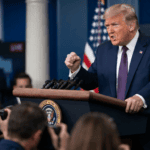
Speaking during the World Economic Forum in Davos after talks with NATO Secretary General Mark Rutte, Trump said Western allies were close to an agreement that would address U.S. security concerns in the Arctic while preventing Russia and China from expanding their influence in the region.
“It’s a deal that everybody’s very happy with,” Trump told reporters. “It’s a long-term deal — the ultimate long-term deal — especially when it comes to security and critical minerals.”
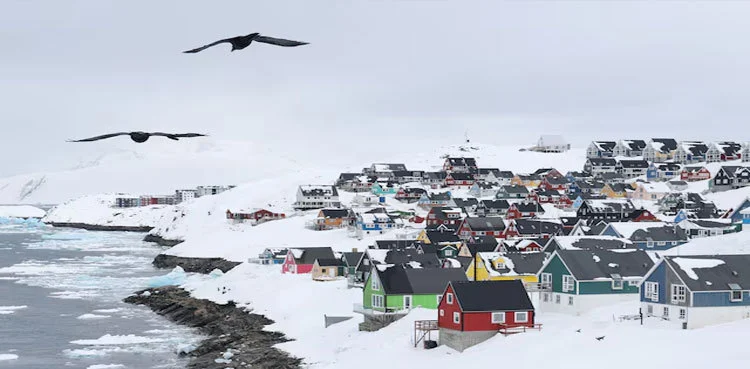
Trump said the proposed arrangement would support U.S. plans for a missile-defense system he has dubbed the “Golden Dome” and ensure continued Western control over the strategically important Arctic region, home to about 57,000 people.
Earlier this week, Trump had threatened to impose escalating tariffs on exports from eight European countries and had refused to rule out force as leverage in negotiations over Greenland, a self-governing territory of Denmark. The rhetoric alarmed NATO allies and rattled financial markets.
However, Trump later announced on his Truth Social platform that, based on a shared understanding with NATO partners, the United States would not impose tariffs scheduled to take effect on February 1.
NATO Secretary General Rutte said discussions focused on Arctic security rather than sovereignty.
“The issue of whether Greenland will remain with Denmark did not come up,” Rutte said in a Fox News interview. “The president is focused on how we protect a region where Chinese and Russian activity is increasing.”
Denmark welcomed the easing of tensions but stressed that Greenland’s status must be handled through private diplomacy and with full respect for Danish sovereignty. Greenland’s leaders have repeatedly said the territory is not for sale.
A NATO spokesperson said talks between Denmark, Greenland and the United States would move forward with the goal of ensuring Russia and China do not gain an economic or military foothold in the region. No timeline or venue for negotiations was announced.
Trump said Vice President JD Vance, Secretary of State Marco Rubio and special envoy Steve Witkoff would lead further discussions.
Financial markets reacted positively to Trump’s shift in tone. U.S. stocks rallied, with the S&P 500 posting its largest one-day gain in two months after investors interpreted the comments as a reduction in geopolitical risk.
Earlier in the day, Trump acknowledged market unease during a speech to global leaders in Davos and explicitly ruled out military action.
“I don’t want to use force,” he said. “I won’t use force.”
Despite the softer stance on Greenland, Trump delivered a combative address, criticizing European governments on energy policy, immigration, defense spending and trade, and accusing some NATO allies of failing to meet U.S. expectations.
Calling Denmark “ungrateful,” Trump again described Greenland as vital to U.S. security interests, though he played down the territorial dispute as a “small ask” involving a “piece of ice.”
Russian President Vladimir Putin, meanwhile, dismissed the issue, saying developments in Greenland were of “no consequence” to Moscow.
Trump is expected to continue diplomatic outreach during the Davos trip, including a meeting with Ukrainian President Volodymyr Zelenskiy, as he seeks international support for his proposed “Board of Peace” initiative aimed at resolving global conflicts.