
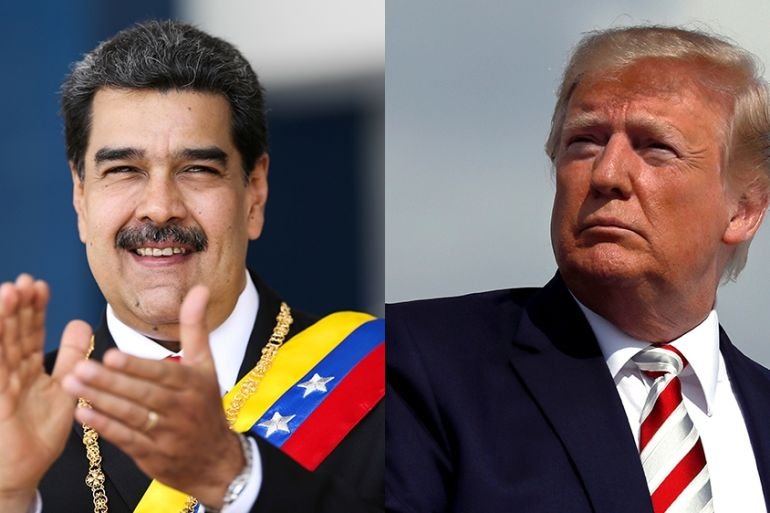
The United States is preparing to launch a new and more aggressive phase of its operations against Venezuela, four U.S. officials told Reuters, as the Trump administration intensifies efforts to pressure President Nicolás Maduro. The move comes with a major military buildup in the Caribbean and warnings of potential “hazardous conditions” for international flights over Venezuela.
Officials say covert operations are expected to be the first step in this campaign, with some U.S. decision-makers even considering options that could lead to Maduro’s removal from power. Maduro, in turn, accuses Washington of plotting regime change and insists that both Venezuelan citizens and the military will resist any such attempt.
Over the past few months, the U.S. military has quietly strengthened its presence near Venezuela. The world’s largest aircraft carrier, the USS Gerald R. Ford, arrived in the Caribbean on November 16 with its strike group joining several warships, a nuclear submarine and F-35 fighter jets. While U.S. forces were initially focused on counter-narcotics missions, the scale of deployment has raised fears of broader military action.
Tensions escalated further after the U.S. Federal Aviation Administration warned airlines about dangerous conditions when flying over Venezuela. Following the alert, three international carriers cancelled flights departing the country. Meanwhile, Washington plans to label the Venezuelan Cartel de los Soles as a foreign terrorist organization, alleging its involvement in drug trafficking. The U.S. claims Maduro leads the group an accusation he rejects.
Despite the pressure tactics, officials confirmed that Washington and Caracas have held recent conversations, though it remains unclear whether these talks could delay or limit upcoming U.S. actions.
Human rights groups have raised alarm after U.S. forces carried out at least 21 strikes on suspected drug boats since September, killing more than 80 people. Critics argue these actions amount to unlawful extrajudicial killings, and some U.S. allies have voiced concerns about possible violations of international law.
Amid all this, the Trump administration has doubled its reward for information leading to Maduro’s arrest to $50 million. Venezuela’s overstretched military struggling with low pay, limited training and decaying equipment has prompted Maduro’s government to publicly float a “prolonged resistance” strategy. State media has suggested the country may resort to guerrilla-style tactics if a U.S. invasion becomes reality.