
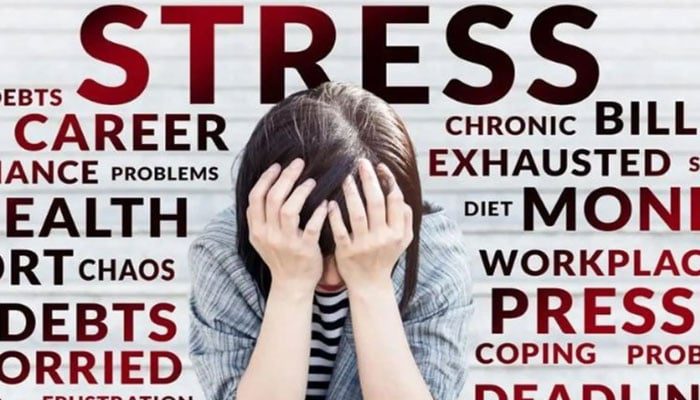
Stress is a natural response of the body that emerges during difficult, tense, or challenging situations. During stress, the body releases hormones such as cortisol, which can cause changes in behavior, physical condition, mental state, and emotions.
Everyone experiences stress at some stage of life. However, if this condition becomes prolonged, it can have deep and negative effects on health. During stress, the body’s sympathetic nervous system becomes activated, resulting in an increased heart rate, faster breathing, and elevated blood pressure.
According to experts, stress has certain early physical and emotional warning signs that can be dangerous if ignored. Common early signs of stress include the following.
Emotional sensitivity:
Becoming overly emotional without any clear reason, feeling overwhelmed easily, and having frequent urges to cry.
Sadness and depression:
A sudden feeling of heaviness in the heart, persistent sadness, and loss of interest or motivation.
Anxiety:
Feeling nervous over small matters, constant worry, restlessness, and unnecessary fear.
Feeling of loneliness:
Feeling alone despite being surrounded by people and expressing a strong need for emotional support.
Severe headaches:
People under stress often complain of intense or persistent headaches.
Physical pain and heaviness:
Pain throughout the body, fatigue, stiffness, or a feeling of heaviness.
Changes in blood pressure:
Stress can significantly affect blood pressure, and if it persists for a long time, it may lead to atherosclerosis and other serious complications.
Sleep disturbances:
Disruption in sleep patterns, difficulty falling asleep, or waking up repeatedly during the night.
Health experts say that if these symptoms are identified in time and appropriate steps are taken to reduce stress, not only can mental well being be restored, but many physical illnesses can also be prevented. Ignoring stress by considering it a minor issue can prove harmful to health.