
19 September 2025
“Wildfire Smoke Set to Become U.S.’s Costliest Climate-Health Threat by 2050, Study Warns”
A recent study warns that smoke from wildfires is projected to become the most expensive health hazard tied to climate change in the U.S. by the year 2050. Under current warming and emissions trends, the number of premature deaths from wildfire smoke could reach around 70,000 annually, costing the economy hundreds of billions of dollars each year.
Currently, wildfire smoke is already responsible for approximately 40,000 deaths per year in the U.S. due to respiratory and cardiovascular diseases caused by fine particulate matter (PM2.5).
By 2050, if greenhouse gas emissions remain high, those deaths could rise by roughly 64% to 73% compared to current levels.
Economic damages are expected to be immense — estimates suggest approximately $608 billion annually in the U.S., driven largely by healthcare costs, lost productivity, and infrastructure strain.
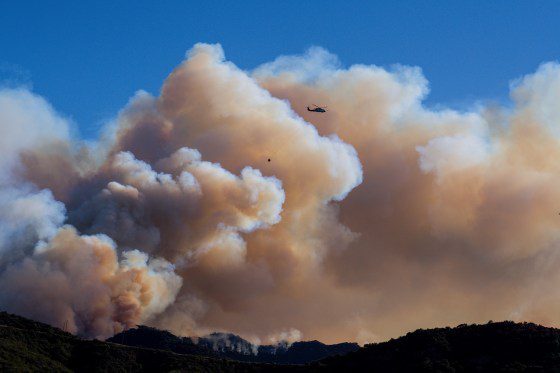
Wildfires have been increasing in frequency and intensity, largely due to climate change which causes hotter, drier conditions — ideal for fires to start and spread.
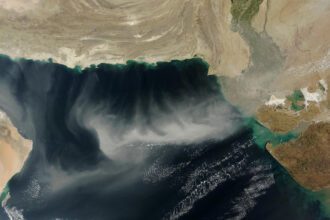
Smoke from those fires doesn’t only affect nearby communities: it travels, often affecting air quality far from the source.
Public health could deteriorate significantly if measures aren’t taken — especially for vulnerable populations like the elderly, children, and those with respiratory illnesses.
Healthcare systems may be overwhelmed. Costs aren’t just for treatment of existing illnesses, but in preventing long-term damage.
Failing to reduce emissions or implement better land & wildfire management policies will make this one of the largest climate-related health crises the U.S. faces.
Emissions reduction is critical: cutting greenhouse gases would slow down warming, reduce dry fire conditions, and help limit smoke.
Improved forest and land management — e.g. controlled burns, clearing underbrush — can reduce the fuel available for wildfires.
Public health initiatives, warning systems, air quality monitoring, and support for high-risk communities will play a role in mitigating damage.