

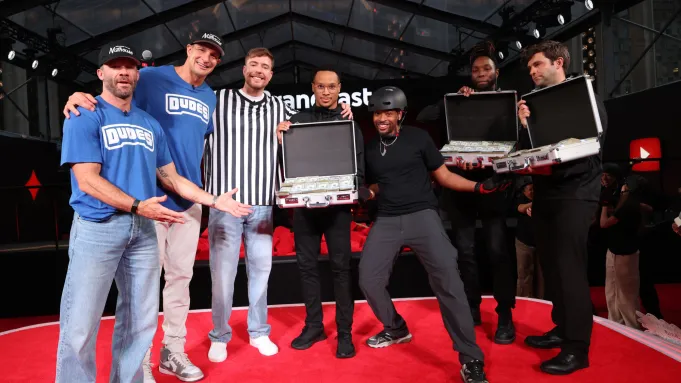
YouTube may have made them famous — but it’s no longer where their stories end. A new wave of top digital creators is stepping beyond the platform that launched them, finding new audiences, new income streams, and in many cases, a second shot at fame.
The Great YouTube Migration
From long-form talk shows to high-budget reality content, some of the internet’s biggest stars are now moving their shows to other platforms like Roku, Tubi, and even Netflix. These platforms are actively picking up creator-led shows that once lived exclusively on YouTube, giving them what industry insiders call a “second life.”
According to The Hollywood Reporter, streaming services have begun repurposing popular YouTube series for mainstream distribution — an opportunity for creators to reach viewers who prefer watching on TV screens instead of phones.
Why Creators Are Leaving the Nest
There are a few reasons this shift is happening — and it’s not just about fame.
-
Unpredictable Algorithms: YouTube’s changing algorithm and ad-revenue models have made it harder for creators to maintain steady earnings.
-
Creative Control: Many creators say streaming deals allow them to make longer, higher-quality episodes without worrying about YouTube’s click-driven culture.
-
Brand Expansion: As creators evolve into production houses and full-fledged media brands, staying on one platform simply doesn’t make business sense anymore.
As Forbes recently reported, “Big creators are now thinking like studios — building franchises, not just channels.”
The New Platforms of Fame
Some familiar YouTube names are already blazing the trail.
-
The Sidemen, the British YouTube collective, turned their online success into TV-style game shows now streaming on multiple platforms.
-
MrBeast, known for his viral stunts, recently closed deals to bring large-scale creator reality content to global streamers.
-
Others, like Lilly Singh, have transitioned into mainstream media — from late-night TV to scripted streaming projects — proving that creator-born talent can thrive anywhere.
For platforms like Roku and Tubi, this is a win-win: they get ready-made shows with loyal fanbases, while creators gain access to a wider, more traditional audience.
The Upside — and the Risk
This evolution brings both opportunity and challenge. Creators stepping off YouTube gain independence and new revenue streams, but they also face higher production costs and stricter distribution standards.
Plus, there’s the ever-present risk of losing authenticity — the raw, unfiltered charm that made YouTube content so addictive in the first place.
Still, analysts believe the trade-off is worth it. “We’re witnessing the maturing of the creator economy,” says digital strategist Arun Das. “These aren’t just influencers anymore — they’re entrepreneurs building global entertainment brands.”
Why It Matters
This shift marks a new chapter for online entertainment. The line between YouTuber and TV producer is blurring fast. What began as bedroom content creation is evolving into a billion-dollar media ecosystem, one where creators own their stories — and their platforms.
For audiences, it means your favorite online personalities might soon appear on your smart TV, not just your feed. For creators, it’s proof that digital fame doesn’t have to stay digital.