

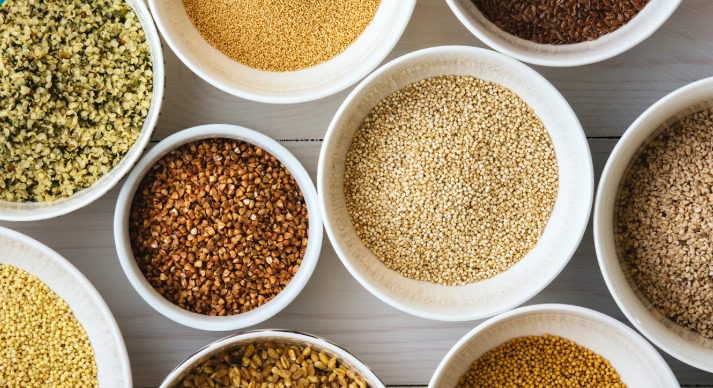
Health Desk Report – Fiber is an essential nutrient found in plant-based foods, yet most adults in North America consume only about 17 grams per day — far below the recommended amount. Adequate fiber intake has been linked to weight management, improved digestion, and a reduced risk of constipation, type 2 diabetes, and heart disease.
Health experts say there are many simple strategies to increase fiber intake without drastically changing your diet. Here are 16 evidence-based ways to do it:
-
Choose whole food carbohydrate sources
Fruits, vegetables, legumes, whole grains, nuts, and seeds all contain fiber, unlike refined carbohydrates that break down quickly into sugar. -
Start meals with vegetables
Eating vegetables before other foods may help regulate blood sugar and insulin levels. -
Eat popcorn
Air-popped popcorn is a whole grain that provides about 4 grams of fiber per 3-cup serving. -
Snack on fruit
A small pear offers nearly 5 grams of fiber, while a cup of raspberries contains about 8 grams. -
Opt for whole grains
Replacing refined grains with options such as quinoa, barley, or bulgur increases fiber intake and nutrient value. -
Consider fiber supplements
Psyllium, guar fiber, and glucomannan are common supplements, though experts recommend introducing them slowly to avoid bloating. -
Add chia or flax seeds
Chia seeds are especially rich in fiber, providing more than 30 grams per 100 grams. -
Eat whole fruits and vegetables instead of juice
Juices lack fiber, whereas whole produce delivers maximum nutritional benefit. -
Include avocados
Half an avocado contains about 5 grams of fiber and may support heart health. -
Snack on nuts and seeds
Almonds, for example, provide nearly 4 grams of fiber per ounce. -
Bake with high-fiber flours
Coconut, chickpea, and whole wheat flours contain significantly more fiber than refined white flour. -
Eat berries
Raspberries and blackberries top the list with 8 grams of fiber per cup. -
Incorporate legumes
Beans, lentils, and peas are among the richest sources of dietary fiber, offering up to half of daily needs per serving. -
Keep the peel on
Fruit and vegetable skins, such as those on apples and potatoes, are high in fiber. -
Read nutrition labels
Some packaged foods include added fibers such as inulin or polydextrose. Checking labels helps ensure higher-fiber choices. -
Distribute fiber throughout the day
Instead of eating a large amount at once, experts suggest spreading fiber intake across meals and snacks for better digestion.