

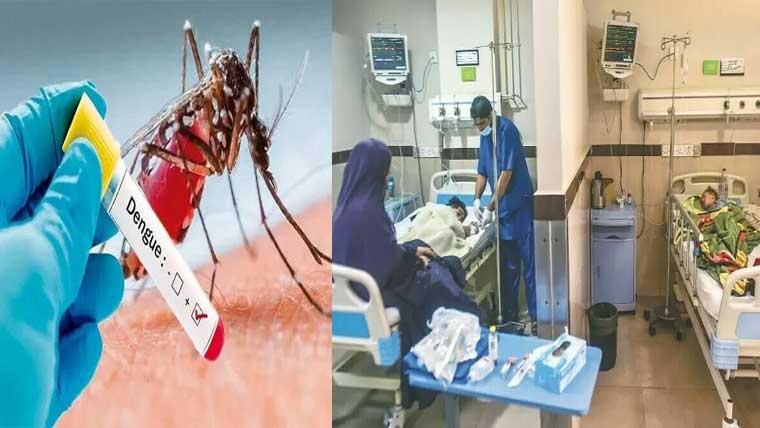
Last year, Sindh reported the highest number of malaria cases, with 118 out of every thousand people affected by the disease.
Important findings have emerged from the Pakistan Bureau of Statistics Digital Survey 2024–25 related to health, according to which Punjab recorded the lowest malaria rate.
Similarly, the report stated that Punjab reported 12 malaria cases per thousand people, while Khyber Pakhtunkhwa topped the list for dengue patients, with 5 out of every thousand people affected.
Highest tuberculosis cases reported in Sindh and Khyber Pakhtunkhwa:
The survey said that Sindh and Khyber Pakhtunkhwa reported the highest tuberculosis cases, with 4 patients per thousand people, while Balochistan recorded the lowest rate, with only one case per thousand.
Hepatitis C more prevalent in Punjab:
According to the report, hepatitis C is most widespread in Punjab, followed by Khyber Pakhtunkhwa. The prevalence of hepatitis B and C was found to be significantly higher in rural areas compared to urban areas.
Significant decline in newborn mortality:
The survey revealed that Pakistan recorded a significant decline in newborn mortality. Overall child mortality showed a clear reduction compared to the previous survey. Deliveries conducted by doctors increased significantly, while deliveries by traditional birth attendants declined, reflecting improvements in the healthcare system.
A clear increase was recorded in deliveries at government hospitals, while private hospitals also saw a rising trend in maternity cases. Postnatal medical checkups improved nationwide, although the rate of postnatal checkups remains low in Khyber Pakhtunkhwa and Balochistan.
Additionally, the report stated that consultations with government doctors for the treatment of diarrhea increased. Improved use of public healthcare facilities was recorded in rural areas, while major reasons for avoiding government hospitals included distance and lack of facilities.