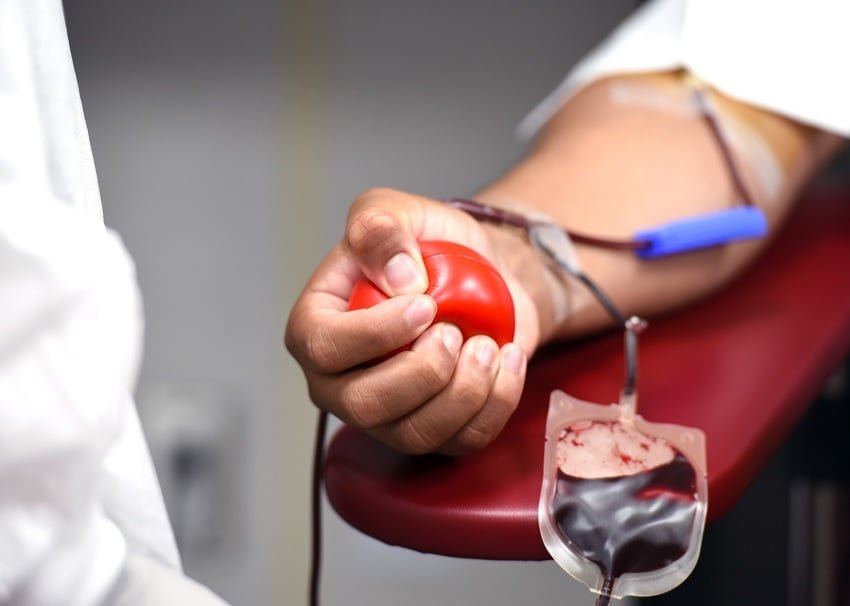
A silent crisis has emerged in Pakistan. According to research, every second woman in the country is suffering from anemia.
Anemia has gripped Pakistan’s health, development and future. The issue is silent, but its effects are feared to pass on to future generations. In Pakistan, 41 percent of women aged 15 to 49 are suffering from anemia. Every year, more than nine hundred thousand pregnant women develop anemia.
According to research, iron deficiency has become common among women, while fatigue, shortness of breath, weakness and dizziness have become routine. Anemia leads to complications during pregnancy. In Pakistan, the number of children per woman is still very high, while short intervals between pregnancies and inadequate nutrition deplete a woman’s body reserves.
Medical experts say that as the number of family members increases, food becomes insufficient and health facilities become limited. The mother feeds everyone but is left behind herself, and this population pressure gives rise to anemia.
This population pressure is not limited to mothers alone. Pakistan ranks second in South Asia in terms of anemia among children. Every year, 2.8 million children in the country are diagnosed with anemia. Children born to anemic mothers are underweight. These children lag behind in learning and are more prone to diseases.
Doctors say that to prevent this never ending cycle, awareness about better nutrition along with iron supplements is necessary. However, most importantly, family planning services must be made widely available.
Anemia is not just a medical issue, but a social challenge linked to population growth, poverty and lack of planning. Experts say that when population pressure is reduced, every woman will have access to adequate nutrition and health facilities, making strong mothers, healthy children and a stronger Pakistan possible.