Washington rebuilds ties with Pakistan, eyes renewed cooperation on trade, counter-terrorism, and regional security
The diplomatic and strategic landscape in South Asia appears to be undergoing a significant shift, with Pakistan’s powerful army chief, Field Marshal Asim Munir, emerging as a central figure in what The Economist describes as a recalibration of American foreign policy one that tilts away from India and toward renewed engagement with Pakistan.
According to a report by The Economist, the Field Marshal’s rising profile and Pakistan’s re-entry into Washington’s strategic orbit signal a changing tide in regional geopolitics. The development comes in the wake of strained India-US ties, growing friction over trade, and Pakistan’s evolving role in counter-terrorism and regional diplomacy.
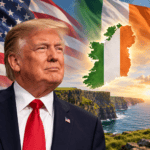
Field Marshal Munir recently held a private lunch with former US President Donald Trump at the White House on June 18 just weeks after a brief border conflict with India. That meeting was followed by further signs of diplomatic realignment. In late July, Trump imposed 25% tariffs on Indian exports, calling India a “dead economy”, while simultaneously praising a new US-Pakistan trade deal.
“The Field Marshal’s fortunes reflect a shift in American policy that affects India, China, and the Middle East,” The Economist noted. “America and Pakistan are now rebuilding ties with a focus on trade, counter-terrorism, and regional consultations.”
Washington Eyes Arms Sales, Crypto Investments
US-Pakistan relations have seen a revival after years of disengagement following the 2011 killing of Osama bin Laden and the chaotic 2021 US withdrawal from Afghanistan. Now, with mounting strategic concerns in the Middle East and South Asia, Washington is reportedly considering renewed military aid to Islamabad including sales of armored vehicles and night-vision equipment to bolster Pakistan’s counter-insurgency operations.
Pakistan currently sources roughly 80% of its military hardware from China, but US officials are said to be re-evaluating that dynamic. Some Trump-linked investors have also expressed interest in Pakistan’s crypto and mineral sectors, further aligning economic interests.
In exchange, the US has toned down its criticism of Pakistan’s long-range missile program and resumed select aid packages. American intelligence officials are also reviewing Islamabad’s claims that India is backing insurgent movements inside Pakistan, though skepticism reportedly remains high in Washington.
A Turning Point in Pakistani Politics?
Field Marshal Munir’s influence extends beyond the battlefield. His popularity has surged since the latest standoff with India, and with Pakistan’s ruling coalition holding a two-thirds majority in parliament, speculation about constitutional changes and the military’s broader role in governance has intensified.
However, Lt Gen Ahmed Sharif Chaudhry, Director General ISPR, dismissed as “nonsense” the rumors that Munir might assume a political office such as the presidency. Speaking to The Economist, he emphasized the army chief’s professional focus, denying any ideological extremism.
Despite lacking the Western military training typical of his predecessors, Munir a hafiz-e-Quran and son of a religious cleric is described as both devout and pragmatic. He has reportedly shown admiration for the economic reforms led by Saudi Arabia’s Crown Prince Mohammed bin Salman and is considered more assertive and risk-tolerant than his predecessors, particularly regarding India.
“We’ll Start From the East” Pakistan’s Firm Stance on India
According to The Economist, Munir has signaled readiness to bring India back to the negotiating table — but also conveyed a clear message that Pakistan would retaliate robustly if provoked.
Responding to Indian Prime Minister Narendra Modi’s hardline posture, Pakistan’s military spokesperson warned, “We’ll start from the east. They also need to understand that they can be hit everywhere.”
The statement highlights the rising tension between the nuclear-armed neighbors, even as global powers such as the US attempt to manage instability in the wider region.
The Bigger Question
As Pakistan navigates a fragile economy, growing internal security challenges, and complex relations with China and the US, Field Marshal Asim Munir has emerged as a pivotal player in shaping the country’s future. With his growing influence, The Economist asks: What exactly does Field Marshal Munir want?
That question, the report concludes, could define the trajectory of not just Pakistan, but the region’s shifting geopolitical balance in the months and years to come.