Petroleum Minister to Lead Delegation to Doha Amid Rising RLNG Surplus, Power Sector Defaults
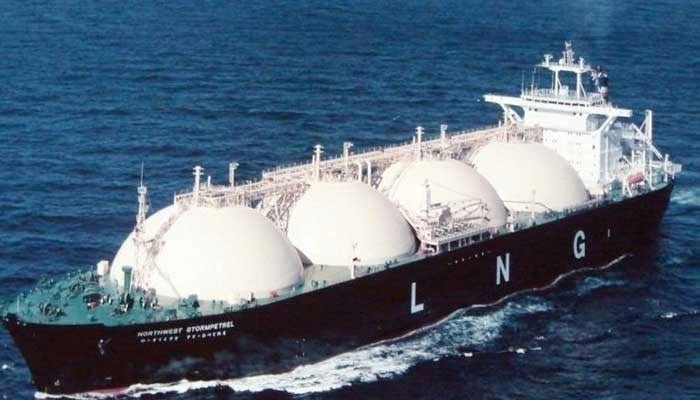
Pakistan is set to begin early negotiations with Qatar over future liquefied natural gas (LNG) supplies, aiming to proactively address critical pricing and supply concerns before a key clause in its long-term contracts is triggered in March 2026, The News reported.
A high-level delegation led by Federal Minister for Petroleum and Natural Resources, Ali Pervaiz Malik, is scheduled to visit Doha by the end of August. According to a senior official in the Petroleum Division, the talks will primarily focus on rescheduling cargo deliveries and renegotiating terms under existing LNG supply agreements.
Urgency Driven by RLNG Surplus, Power Sector Defaults
The decision to initiate early discussions comes amid mounting challenges in the domestic LNG market. Repeated defaults by the power sector a major consumer of re-gasified LNG (RLNG) have resulted in an alarming surplus, breaching contractual commitments and straining the national gas infrastructure.
“The Annual Delivery Plan (ADP) for 2026 must be finalised by mid-September to October,” the official said, adding that Pakistan currently faces an oversupply crisis that is expected to worsen in 2026 due to the deferral of five LNG cargoes originally scheduled for 2025.
“We can’t afford to wait until March 2026 to activate the price reopening clause. By then, the LNG glut could severely impact our gas transmission system. That’s why early engagement with Qatar is essential.”
Key Details of Pakistan-Qatar LNG Agreements
Pakistan currently imports nine LNG cargoes per month from Qatar under two long-term agreements a 15-year deal (five cargoes at 13.37% of Brent) and a 10-year deal (four cargoes at 10.02% of Brent). These contracts are based on a “take or pay” model, intended to provide consistent RLNG supply to four power plants in Punjab.
However, underutilisation by the power sector has undermined these arrangements, leaving imported LNG unused and contributing to dangerously high pressure levels in the RLNG pipeline system. As of August 3, 2025, line pack pressure had reached 5.170 billion cubic feet (bcf), crossing the 5bcf danger threshold raising the risk of a rupture in the national gas network. Authorities have already been forced to shut down 350–400 mmcfd of local gas production to relieve system stress.
Cargo Diversions and Contractual Limitations
Compounding the issue, Pakistan has been diverting its single monthly LNG cargo from Italy-based ENI to the international spot market since February 2025 a practice that will continue until December. Under the ENI agreement, profits or losses from such diversions are shared with Pakistan LNG Limited (PLL).
In contrast, LNG diversion clauses in Pakistan’s contracts with Qatar are less flexible. While Pakistan can request Qatar to divert its term cargoes, profits from such sales are not shared. Any loss incurred from sales below contract price must be borne by Pakistan.
Next Steps: Price Talks and Strategic Assessment
During the upcoming visit, Pakistani officials aim to gauge Qatar’s stance on revising LNG pricing mechanisms. With the March 2026 price reopening clause approaching, Pakistan will have the opportunity to renegotiate cargo volumes and pricing for the remaining contract period.
“This early engagement is intended to assess Qatari interest in restructuring the deal, given the shifting dynamics of global LNG markets,” the official said.
If successful, the talks could help Pakistan align its LNG import strategy with actual demand, reduce fiscal losses from unused gas, and avoid further strain on the national energy infrastructure.