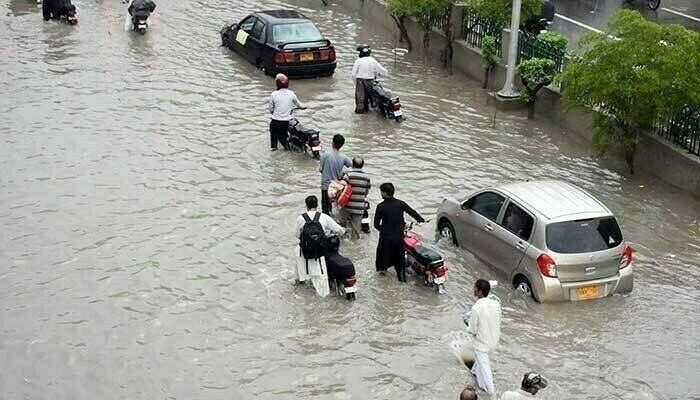
Urban flooding refers to the accumulation of water in urban areas due to heavy rainfall, storms, or other extreme weather conditions.
Generally, urban flooding occurs when drainage systems (such as sewers and storm drains) lose the capacity to handle excess water.
Urban structures, such as concrete roads and buildings, fail to absorb water, causing it to rapidly accumulate on streets, in houses, and within buildings.
Urban flooding also leads to multiple health issues, which can be prevented by taking a few precautionary measures.
By following guidelines developed by the British National Institute of Environmental Health Sciences, people can protect themselves from the risks associated with urban flooding.
Initial Risks:
During urban flooding, the chances of falling, stepping on sharp objects, slipping, or sustaining injuries while moving from one place to another increase. This may lead to fractures, severe head injuries, or deep wounds.
Exposure to live electrical wires in floodwaters can cause severe burns or even death.
Harmful Factors:
When sewage mixes with floodwater, wounds may become infected, and accidental swallowing of contaminated water may cause vomiting and diarrhea.
Damp conditions in flooded areas may lead to mold growth, which can worsen asthma or chronic lung diseases.
Safety Tips to Avoid Risks:
Never walk or step into moving floodwater.
Do not use gas powered appliances or generators indoors or near open windows/doors.
Avoid direct contact with floodwater, wash exposed skin frequently, and clean and cover wounds.
Turn off electricity before entering flooded areas and avoid touching exposed electrical wires.
Use only devices approved for use in wet conditions.
Check the structural safety of the house after flooding, as floodwater may damage the foundation.
Inspect for snakes, poisonous insects, or wild animals inside the house and take proper measures for removal.
In cold weather, wear warm clothes and rest in warm places periodically; in hot weather, take cooling breaks and stay hydrated.
Ensure Personal Protection:
Wear protective goggles and gloves rubber gloves for wet areas and leather gloves for dry areas.
Wear sturdy soled shoes or waterproof boots, dress appropriately, and avoid unnecessary exposure to floodwater.