The State Bank of Pakistan (SBP) on Monday left its benchmark policy rate unchanged at 11%, extending its pause for a third consecutive Monetary Policy Committee (MPC) meeting as it weighed the inflationary fallout from recent floods against a fragile economic recovery.
“The temporary yet significant flood-induced supply shock, particularly to the crop sector, may push up headline inflation and the current account deficit from earlier expectations in FY26,” the central bank said in its statement. However, it added that the economy is now better positioned to absorb the impact compared with previous flood episodes.
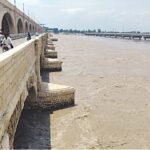
The decision was widely anticipated, with 13 out of 14 analysts in a Reuters poll predicting no change. Since June, devastating floods in Punjab have submerged farmland, disrupted supply chains, and displaced more than 4.5 million people, raising concerns of food shortages and price spikes. Nearly 950 lives have been lost, along with 6,500 livestock and over 8,200 houses.
Economic Impact
Analysts warn that agricultural losses could shave around 0.2% off GDP growth, though reconstruction may offset some of the damage. “Food inflation could face temporary shocks, with wheat prices rising about 50% in just a month,” said Saad Hanif of Ismail Iqbal Securities.
Inflation eased to 3% in August from 4.1% in July, below the finance ministry’s forecast of 4–5%. Still, officials caution that crop losses and supply bottlenecks could soon reverse this trend. Manufacturers, too, have raised prices, citing higher fuel and transport costs amid flood disruptions.
Policy Outlook
Since June 2024, the SBP has slashed rates by 1,100 basis points from a record 22% as inflation which peaked near 40% in 2023 cooled sharply. Its last move was a 100 bps cut in May, while rates were held steady in March and June due to oil price concerns from Middle East tensions.
Some analysts believe there is still room for further easing. “Real interest rates remain high enough to allow for a cut, especially with the Fed turning dovish. But for now, the floods are inflationary, particularly for food,” said independent economist Ammar Habib.
For the time being, however, the SBP appears committed to a cautious approach, balancing recovery prospects with risks of renewed price pressures.