Meteorologists Warn: Pakistan Likely to Face an Extended and Harsher Winter Season This Year Due to Strong La Niña Conditions Affecting Regional Climate Patterns
Meteorologists have predicted that this year’s winter in Pakistan is likely to be colder and longer than usual due to the impact of the La Niña weather phenomenon. The effects are expected to become more noticeable from December through February, influencing both temperature and precipitation patterns across the country.
According to the Pakistan Meteorological Department (PMD), La Niña occurs when sea surface temperatures in the central and eastern Pacific Ocean drop below normal, altering global weather systems. This shift typically strengthens cold air pressure in South Asia, resulting in lower temperatures and extended dry spells across many regions of Pakistan.
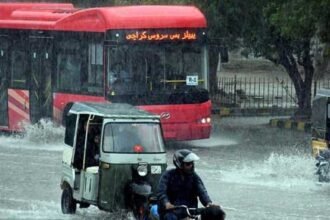
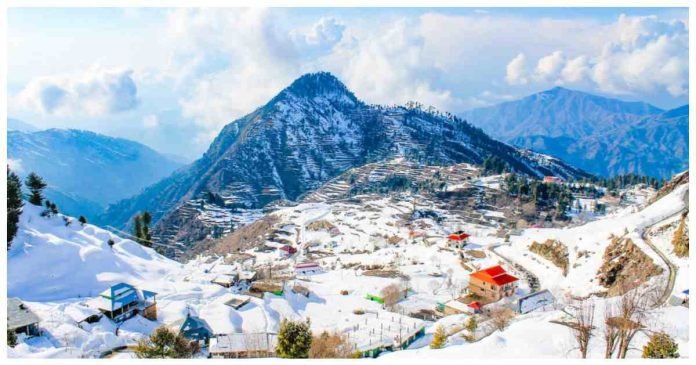
Experts say that northern and hilly areas may experience early snowfall, while plains — including Punjab and Sindh — are expected to see prolonged dry and chilly conditions. The southern parts of the country could remain largely dry, though isolated rain spells cannot be ruled out.
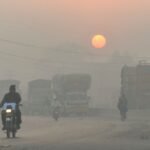
The PMD also warned of increased fog and smog formation in parts of Punjab and Khyber Pakhtunkhwa during December and January due to temperature inversion and reduced wind speed. Meanwhile, minimum temperatures in the northern areas could drop several degrees below average.
Meteorologists have advised citizens to prepare for a colder-than-usual winter, as La Niña conditions could intensify cold waves and prolong the duration of winter compared to previous years.