Web desk
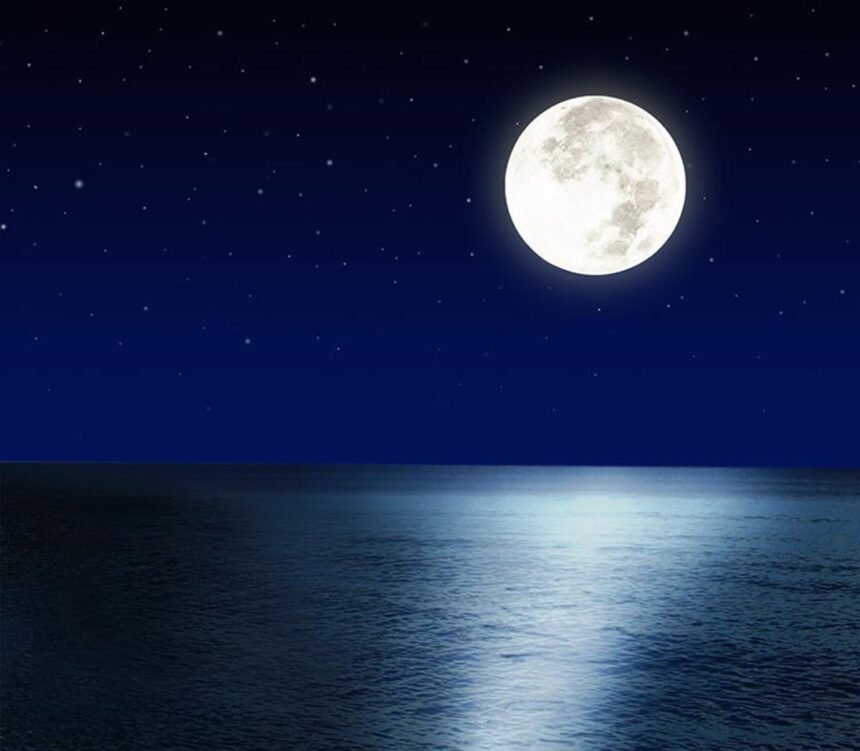
It’s funny how a simple line on a chart barely dipping can set off so much balcony talk. The supermoon, they say, was just a few percent smaller than usual, but tell that to anyone who stood outside last night, neck craned, phone in hand. It felt enormous. Almost close enough to touch.
The truth? It’s a trick of our brains, not the sky. The moon illusion makes the horizon moon look gigantic because nearby objects rooftops, trees, towers give it scale. Our minds exaggerate the contrast. Physically, the moon stays the same size; the atmosphere just scatters its light into that warm, romantic hue we all fall for. The rest? That’s emotion doing its work.
How to See the Supermoon at Its Best
1. Catch the moonrise.
This is the main stage. Look east, find an open view maybe with a hill, a tower, or a bridge in sight. Check your moonrise time in any app, and show up 10–15 minutes early. Breathe. Watch. Don’t rush it.
2. Frame your shot, but keep it real.
Even with a phone, you can get a good photo. Stand steady, tap to focus on the moon, and lower the exposure a little so it doesn’t turn into a glowing blob. Take a few burst shots you’ll thank yourself later.
3. Skip the over-zoom.
Digital zoom will only blur the magic. Instead, use your surroundings. A silhouette a person, a spire, maybe a wind turbine adds life and scale. That’s what makes a moon photo feel real.
And if you needed another excuse to look up? The Orionid meteor shower peaks in mid to late October. Sure, the bright moon might outshine a few meteors, but it won’t dim their wonder.