By using this site, you agree to the Privacy Policy and Terms of Use.
Accept
Media HydeMedia Hyde
  • Home
  • Politics
  • Education
  • Entertainment
  • Sports
  • Blogs
  • Business & Commerce
  • Others
    • Religious
    • Metropolitan
    • Climate and Weather
Font ResizerAa
Media HydeMedia Hyde
Font ResizerAa
  • Home
  • Politics
  • Education
  • Entertainment
  • Sports
  • Blogs
  • Business & Commerce
  • Others
    • Religious
    • Metropolitan
    • Climate and Weather
Follow US
© 2026 Media Hyde Network. All Rights Reserved.
Health

What Your Gut is Trying to Tell You: Insights from a Gastroenterologist

Last updated: November 10, 2025 10:05 pm
Irma Khan
Share
SHARE

Your gut signals matter: What your digestive system is trying to tell you

Your gut isn’t just about digestion — it’s a powerful messenger. According to Dr Joseph Salhab, a board-certified gastroenterologist and content creator known online as @thestomachdoc, your digestive system constantly communicates about how you eat, how you live, and how you feel.

Understanding gut signals

Your digestive system generates feedback through symptoms like bloating, excess gas, abdominal cramping, changes in bowel habits (constipation, diarrhea, or urgency), reflux or heartburn, early fullness, nausea or a general “off” feeling. Many of these episodes are harmless and triggered by stress, infections, the menstrual cycle, travel, certain medications or eating too many ultra-processed foods.

What your “gut feeling” really means

Dr Salhab explains that what people call a gut instinct has real biology behind it. “The enteric nervous system (your gut’s built-in nerve network), the vagus nerve, immune signals, hormones and the microbiome are constantly messaging the brain in a two-way conversation.” Healthline This gut-brain connection helps explain why stress may cause nausea or why anxiety might trigger stomach-knots.

Symptoms you should not ignore

While occasional digestive upset is common, some signs merit medical attention:

  • Chronic bloating or gas, iron-deficiency anaemia, frequent heartburn that doesn’t respond to antacids, unintentional weight changes, new food intolerances or alternating constipation and diarrhoea.
  • Gut symptoms paired with mouth ulcers, joint pains, skin rashes or eye irritation might suggest a condition like inflammatory bowel disease (IBD).

Daily habits that support gut-health

Dr Salhab emphasises that this is not about quick fixes or cleanses — the most effective approach is steady, everyday habits:

  • Drink enough water, limit alcohol and focus on balanced meals with protein, colours and fermentable fibres.
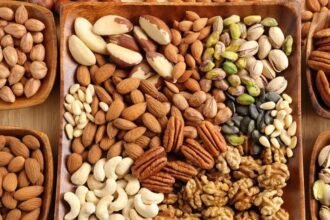
  • Aim for a variety of plants — legumes, nuts, seeds, whole grains and vegetables — to feed your gut microbes.
  • Prioritise regular movement, 7-9 hours of sleep and stress-management practices like breathwork or mindfulness.

These habits help your gut “train” quietly over time, creating a resilient foundation that outperforms any short-term diet or supplement.


Share This Article
Email Copy Link Print
Previous Article Editor’s PickResearch How Emotions Affect Memory and What You Can Do to Improve it
Next Article The Snack Everyone Overlooked — Popcorn’s Big Comeback!
Leave a Comment

Leave a Reply Cancel reply

Your email address will not be published. Required fields are marked *

Sponsored Ads

Stay Connected

FacebookLike
XFollow
InstagramFollow
YoutubeSubscribe
WhatsAppFollow
ThreadsFollow
Tuberculosis a Major Health, Social and Economic Challenge, Will be Eradicated: Shehbaz Sharif
Health
March 24, 2026
Breakthrough in Experimental Hepatitis C Drug
Health
March 24, 2026
New Technique Developed to Protect Patients From Stroke
Health
March 24, 2026
Study Reveals Causes Behind Worsening Mental Health in Younger Generations
Health
March 24, 2026
Known for U-turns, Trump makes biggest policy reversal on Iran
Headline
March 24, 2026
Nasal Spray Developed to Protect Against all Types of Flu
Health
March 23, 2026

You Might Also Like

Health

50 Percent of Medicine Pricing Authority Given to Companies

By
Neha Ashraf
Health

Federal Health Minister Meets Saudi Counterpart, Agrees to Enhance Cooperation in Health Sector

By
Neha Ashraf
Health

Reduced Sugar Intake in Childhood May Lower Risk of Heart Disease: Study

By
Neha Ashraf
Health

Lebanon Becomes the Country Most Affected by Cancer Worldwide

By
Neha Ashraf
Media Hyde Media Hyde Dark
Facebook Twitter Youtube Rss Medium

About US

Media Hyde Network: Your instant connection to breaking stories and live updates. Stay informed with our real-time coverage across politics, tech, entertainment, and more. Your reliable source for 24/7 News.

Top Categories
  • Headline
  • Politics
  • Entertainment
  • Education
  • Sports
  • Religious
  • Metropolitan
  • Climate and Weather
Usefull Links
  • Contact Us
  • Disclaimer
  • Privacy Policy
  • Cookies Policy
  • Advertising Policy
  • Terms & Conditions

© 2025 Media Hyde Network. All Rights Reserved.

Welcome Back!

Sign in to your account

Username or Email Address
Password

Lost your password?