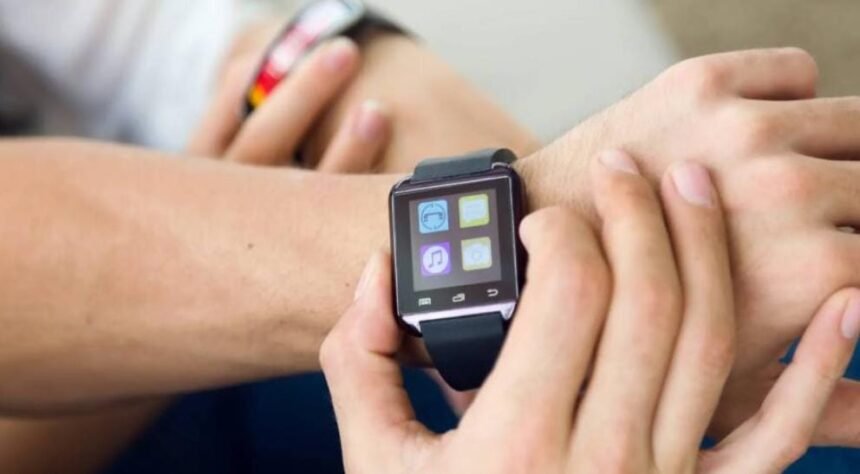
A new meta-review has highlighted the growing potential of AI-powered wearable technologies to support the management of type 2 diabetes, especially in early detection, glycemic control, and lifestyle improvement. The study analyzed recently published clinical trials and observational data to evaluate how machine learning and AI-integrated devices can enhance real-time decision-making for patients and healthcare providers.
Researchers noted that AI-driven wearables—such as continuous glucose monitors (CGMs), smart patches, and sensor-based trackers—offer more precise and dynamic monitoring than conventional self-reporting tools. These devices can process patterns in blood glucose fluctuations, detect early signs of hyperglycemia or hypoglycemia, and provide personalized recommendations that help patients modify diet, physical activity, and medication adherence.
Improved data accuracy and early risk warnings
A key advantage identified in the review is the ability of AI algorithms to analyze large streams of biometric data continuously. Unlike traditional monitoring methods, AI-enabled wearables can flag dangerous trends before symptoms appear, allowing timely interventions that may prevent complications.
The study emphasized that early detection of risk patterns—such as post-meal glucose spikes or nighttime drops—could significantly reduce long-term damage associated with poorly controlled diabetes.
Enhancing patient engagement, self-management
The meta-review also found that AI-powered devices improve patient engagement by offering actionable insights in real time. Many wearables provide tailored prompts, reminders, and behavior coaching, making it easier for individuals to adjust daily habits. This empowered approach can lead to better self-management and more consistent glycemic control.
Challenges and need for further clinical evidence
Despite strong potential, researchers highlighted gaps in large-scale clinical validation. Issues related to data privacy, device accessibility, and integration with healthcare systems remain areas requiring further development. The review concludes that while AI-based wearables cannot replace medical professionals, they hold significant promise as supportive tools in personalized diabetes care.