By using this site, you agree to the Privacy Policy and Terms of Use.
Accept
Media HydeMedia Hyde
  • Home
  • Politics
  • Education
  • Entertainment
  • Sports
  • Blogs
  • Business & Commerce
  • Others
    • Religious
    • Metropolitan
    • Climate and Weather
Font ResizerAa
Media HydeMedia Hyde
Font ResizerAa
  • Home
  • Politics
  • Education
  • Entertainment
  • Sports
  • Blogs
  • Business & Commerce
  • Others
    • Religious
    • Metropolitan
    • Climate and Weather
Follow US
© 2026 Media Hyde Network. All Rights Reserved.
Health

AI-Powered Wearables Show Major Promise for Improving Type 2 Diabetes Care

Last updated: November 21, 2025 10:59 pm
Irma Khan
Share
SHARE

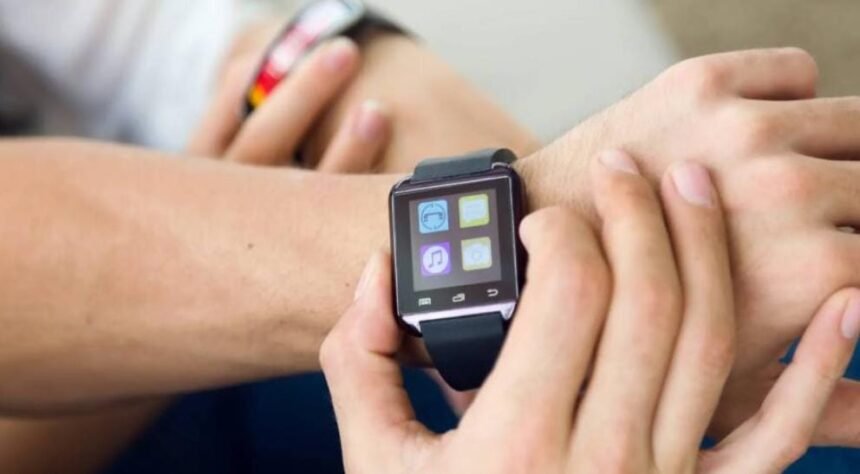
A new meta-review has highlighted the growing potential of AI-powered wearable technologies to support the management of type 2 diabetes, especially in early detection, glycemic control, and lifestyle improvement. The study analyzed recently published clinical trials and observational data to evaluate how machine learning and AI-integrated devices can enhance real-time decision-making for patients and healthcare providers.

Researchers noted that AI-driven wearables—such as continuous glucose monitors (CGMs), smart patches, and sensor-based trackers—offer more precise and dynamic monitoring than conventional self-reporting tools. These devices can process patterns in blood glucose fluctuations, detect early signs of hyperglycemia or hypoglycemia, and provide personalized recommendations that help patients modify diet, physical activity, and medication adherence.

Improved data accuracy and early risk warnings

A key advantage identified in the review is the ability of AI algorithms to analyze large streams of biometric data continuously. Unlike traditional monitoring methods, AI-enabled wearables can flag dangerous trends before symptoms appear, allowing timely interventions that may prevent complications.

The study emphasized that early detection of risk patterns—such as post-meal glucose spikes or nighttime drops—could significantly reduce long-term damage associated with poorly controlled diabetes.

Enhancing patient engagement, self-management

The meta-review also found that AI-powered devices improve patient engagement by offering actionable insights in real time. Many wearables provide tailored prompts, reminders, and behavior coaching, making it easier for individuals to adjust daily habits. This empowered approach can lead to better self-management and more consistent glycemic control.

Challenges and need for further clinical evidence

Despite strong potential, researchers highlighted gaps in large-scale clinical validation. Issues related to data privacy, device accessibility, and integration with healthcare systems remain areas requiring further development. The review concludes that while AI-based wearables cannot replace medical professionals, they hold significant promise as supportive tools in personalized diabetes care.

Share This Article
Email Copy Link Print
Previous Article DG ISPR Engages Students in Interactive Session at DUHS Karachi
Next Article KP Govt Standardizes Medical Test Prices for Public Health Relief
Leave a Comment

Leave a Reply Cancel reply

Your email address will not be published. Required fields are marked *

Sponsored Ads

Stay Connected

FacebookLike
XFollow
InstagramFollow
YoutubeSubscribe
WhatsAppFollow
ThreadsFollow
Want to Cool Down? 14 Simple Ways to Beat the Heat Naturally
Blog Health
July 30, 2026
Can Men Hold Off on Treating Recurring Prostate Cancer?
Blog Health
July 30, 2026
Home Workouts: Quick Exercises You Can Do Without Gym Tools
Blog Health
July 30, 2026
Weight Control: Easy Meal Prep Ideas and Safe Dieting Habits
Blog Health
July 30, 2026
Dashcam Footage Shows Tornado Dropping Power Lines on Moving Car
Climate and Weather Headline
July 30, 2026
Pakistan’s Petrol Relief Programme: A Return to Subsidies or Economic Risk?
Economy Headline
July 30, 2026

You Might Also Like

Health

Childhood Obesity Surpasses Underweight for First Time, UNICEF Warns

By
Irma Khan
Health

Four More People Die of Dengue in Sindh, 1,200 New Cases Reported in a Single Day

By
Neha Ashraf
US Measles Infections Hit 35-Year High, Surpassing 2025 Tally in Just Seven Months
Health

US Measles Infections Hit 35-Year High, Surpassing 2025 Tally in Just Seven Months

By
Yamna Shahid
Health

Pakistan Plans to Begin Local Production of Insulin in Collaboration with Russia

By
Neha Ashraf
Media Hyde Media Hyde Dark
Facebook Twitter Youtube Rss Medium

About US

Media Hyde Network: Your instant connection to breaking stories and live updates. Stay informed with our real-time coverage across politics, tech, entertainment, and more. Your reliable source for 24/7 News.

Top Categories
  • Headline
  • Politics
  • Entertainment
  • Education
  • Sports
  • Religious
  • Metropolitan
  • Climate and Weather
Usefull Links
  • Contact Us
  • Disclaimer
  • Privacy Policy
  • Cookies Policy
  • Advertising Policy
  • Terms & Conditions

© 2025 Media Hyde Network. All Rights Reserved.

Welcome Back!

Sign in to your account

Username or Email Address
Password

Lost your password?