Air Pollution Costs Pakistan $22 Billion Annually, Senate Told
Islamabad:
Air pollution is causing an estimated economic loss of $22 billion every year to Pakistan, equivalent to 6.5 percent of the national GDP, Senator Sherry Rehman revealed during a recent Senate session, warning that the crisis has reached a level of national emergency.
Addressing lawmakers, the senator disclosed that smog in Punjab alone is severely impacting nearly 11 million children under the age of five, placing their health, growth, and survival at serious risk. She stressed that the country is witnessing a silent public health disaster driven by unchecked pollution.
According to the latest figures shared in the Senate, air pollution now claims around 256,000 lives annually across Pakistan—a number that has doubled previous estimates. Medical research further indicates that toxic air is shortening the average life expectancy of Pakistanis by 3.7 to 4.6 years, underlining the long-term damage to public health.
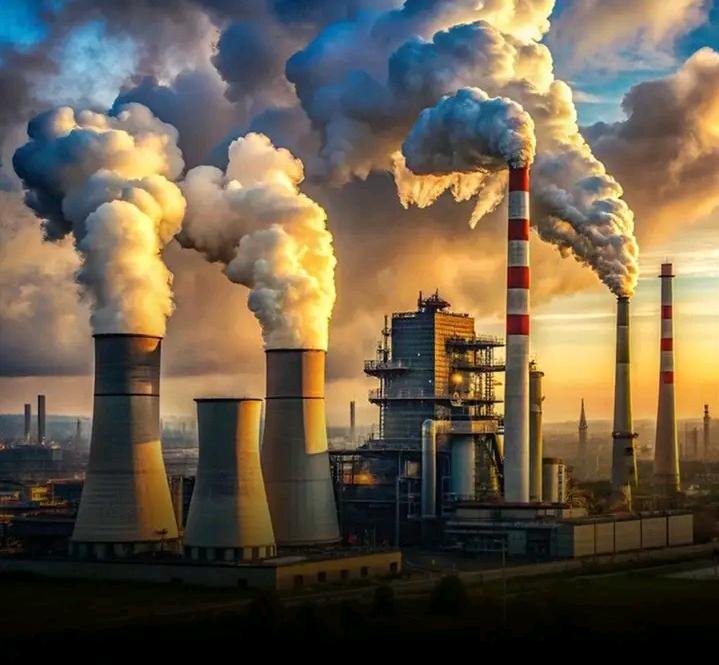
Senator Sherry Rehman openly blamed brick kilns, industrial emissions, and uncontrolled vehicular smoke for the rapidly deteriorating air quality. She criticized regulatory bodies for their failure to maintain reliable data systems and effective monitoring mechanisms, calling this lack of information a major obstacle in controlling pollution.
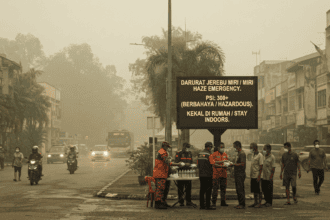
Highlighting the urban crisis, she pointed out that Lahore continues to rank among the most polluted cities in the world, with dangerously high levels of smog recorded during winter months. Despite repeated warnings, she said, the response from authorities remains slow and fragmented.
The senator urged the government to adopt immediate and coordinated national-level interventions, including stricter environmental enforcement, clean energy transitions, and child-focused health protection policies. She emphasized that without urgent action, Pakistan’s next generation will continue to suffer irreversible health and developmental consequences.
Environmental experts present at the session echoed concerns that unless aggressive pollution control measures are implemented, the economic, medical, and social burden of air pollution will continue to rise sharply in the coming years.