Cases of the H3N2 “super flu” virus have been confirmed in Pakistan, prompting the National Institute of Health (NIH) to issue an emergency alert.
According to the NIH, the H3N2 subclade K is spreading rapidly in Pakistan, and 20 percent of the circulating super flu virus samples in the country belong to this dangerous subclade.
The NIH has instructed federal and provincial health departments to remain on high alert. An unusual and early rise in seasonal influenza has been observed in Pakistan, following which the NIH has directed hospitals to prepare for an increase in outpatient visits and hospital admissions.
Since May 2025, 66 percent of influenza A cases have been linked to H3N2, and more than 340,000 suspected flu cases have been reported within just six weeks. Laboratory data shows that 12 percent of tested samples were positive for H3N2.
According to the NIH, there is a risk of a further increase in flu cases during the winter season. The H3N2 virus has been declared more dangerous for the elderly, children, and pregnant women, while patients suffering from diabetes, heart disease, and respiratory illnesses are included in the high risk group.
Dense populations and enclosed spaces are contributing to the rapid spread of the virus. Therefore, the NIH has directed authorities to strictly enforce infection control measures and has urged the public to remain cautious of misinformation related to super flu.
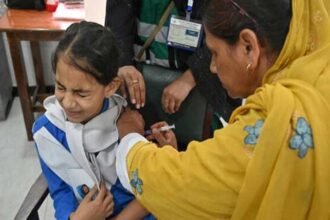
The NIH has stated that the seasonal influenza vaccine is an effective means of preventing severe illness and deaths, and that the current vaccine is effective against the H3N2 subclade K. Early antiviral treatment is also recommended for high risk patients. The National Institute of Health warned that delays in treatment can lead to pneumonia and respiratory failure, and has appealed to the public to adopt precautionary measures and get vaccinated.