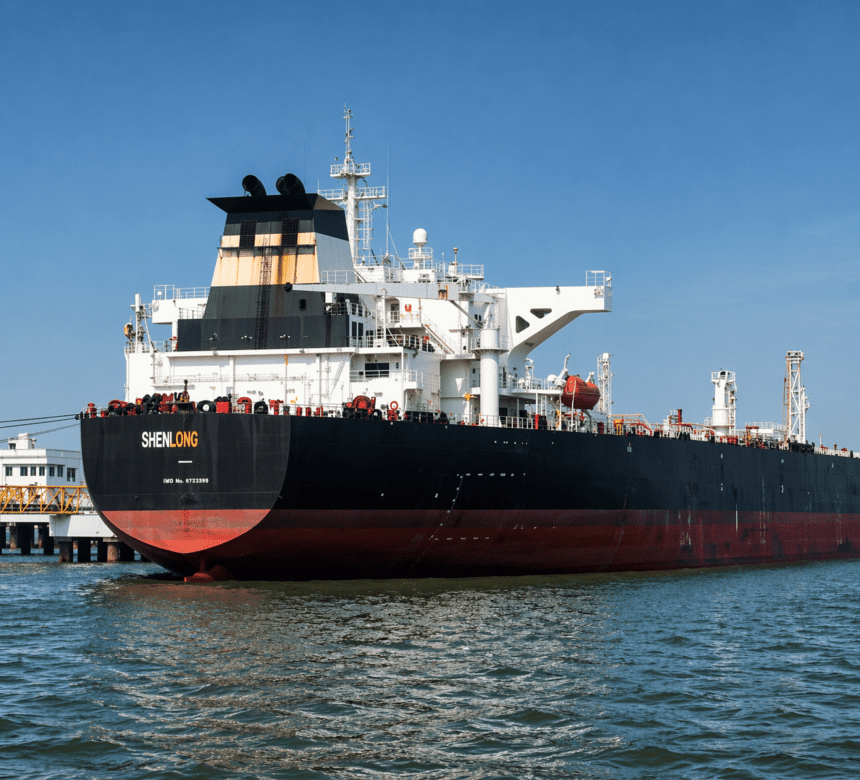
India moved sharply into the widening Strait of Hormuz crisis on April 18, 2026, summoning Iran’s ambassador after Indian-flagged tankers were fired on near the chokepoint, according to current reporting. The diplomatic step signaled that the fallout from the U.S.-Iran maritime standoff is no longer just a Gulf security story; it is now directly touching India’s shipping interests and energy security.
The immediate trigger was the reported targeting of tankers linked to India as Iran re-imposed tight control over the strait. Live and follow-up coverage said vessels in the area reported gunfire, and at least one tanker was fired on as it tried to pass. In response, New Delhi called in the Iranian envoy and sought assurances that Indian vessels and crews would not be endangered.
That makes this more than a routine diplomatic protest. India depends heavily on maritime energy routes passing through the Gulf, and the Strait of Hormuz is one of the world’s most important oil chokepoints, carrying roughly one-fifth of global oil flows. Even a short burst of instability there can raise freight costs, complicate insurance, disrupt schedules, and intensify anxiety in major importing countries such as India.
The incident came after Iran said it had restored Hormuz to “strict management and control” by its armed forces, reversing its brief earlier message that the strait was open to commercial traffic. Tehran tied that renewed tightening directly to the continued U.S. blockade on Iranian ports and shipping, arguing that as long as its own maritime access is under pressure, transit through Hormuz will not return to normal.
For India, the problem is both immediate and strategic. Immediate, because ships carrying Indian crews or sailing under India’s flag were reportedly exposed to live fire. Strategic, because New Delhi has to protect sea lanes that are central to its crude imports while also avoiding being pulled too deeply into the U.S.-Iran confrontation. The summons to Iran’s envoy shows India trying to draw a hard line on shipping safety without turning the episode into a larger rupture.
New Delhi did summon the Iranian envoy, and it did so after reported attacks on Indian-flagged tankers near Hormuz. The bigger meaning is that the maritime pressure campaign around Iran is now producing diplomatic consequences well beyond Washington and Tehran, with India becoming one of the first major outside powers forced to respond directly.