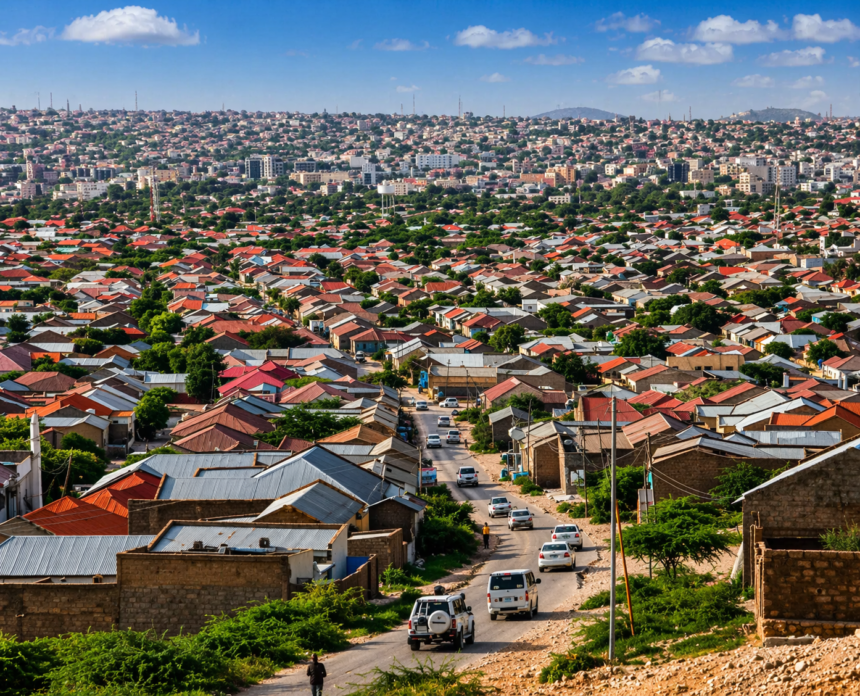
Pakistan has joined more than 20 Muslim-majority countries and the Organization of Islamic Cooperation in condemning Israel’s latest diplomatic steps involving Somaliland, saying the move violates Somalia’s sovereignty and territorial integrity. An official joint statement published by Pakistan’s Foreign Office said the signatories strongly rejected both Israel’s recognition of Somaliland in late December 2025 and the January 6, 2026, visit by an Israeli official to Hargeisa.
The wording matters here because the dispute is not just about a symbolic visit. Israel had already moved further than most countries were prepared to accept by recognizing Somaliland on December 26, 2025, becoming the first UN member state to do so. It then followed that step with plans for full diplomatic relations, including embassies and ambassadorial appointments, which turned an already sensitive issue into a broader regional flashpoint.
Pakistan’s published statement makes clear that the backlash was wider than the “12 countries” mentioned in your headline. The signatories listed by Islamabad include Algeria, Bangladesh, Comoros, Djibouti, Egypt, Gambia, Indonesia, Iran, Jordan, Kuwait, Libya, Maldives, Nigeria, Oman, Pakistan, Palestine, Qatar, Saudi Arabia, Somalia, Sudan, Türkiye and Yemen, along with the OIC. That is 22 countries plus the organization itself.
The joint statement described the Israeli official’s January 6 visit as “illegal” and said it amounted to a clear violation of Somalia’s sovereignty, unity and territorial integrity. It also urged the international community and the UN Security Council to respond to what the signatories called a breach of international law and established norms.
For Somalia, the issue cuts to the heart of statehood. Somaliland declared independence in 1991 and has long operated with its own institutions, leadership and security structures, but it is still internationally regarded by most countries and multilateral bodies as part of Somalia. Israel’s decision broke with that longstanding consensus, which is why it triggered such a swift diplomatic response from Somalia’s allies and from the OIC bloc.
The episode also carries wider geopolitical weight. Somaliland sits in a strategic position near the Gulf of Aden and the Red Sea shipping corridor, a region that has become even more sensitive because of conflicts involving Yemen and maritime security. Analysts and news reports have pointed to Israel’s possible strategic interest in the area, even as critics warn that recognizing breakaway territories can deepen instability and sharpen regional rivalries.
For Pakistan, the statement fits a familiar foreign-policy line: strong support for Somalia’s territorial integrity, alignment with broader OIC positions, and rejection of unilateral moves seen as redrawing borders or bypassing internationally recognized sovereignty. The diplomatic message from Islamabad and its partners was blunt. In their view, Israel did not just open a new channel abroad. It stepped into one of the Horn of Africa’s most sensitive sovereignty disputes.