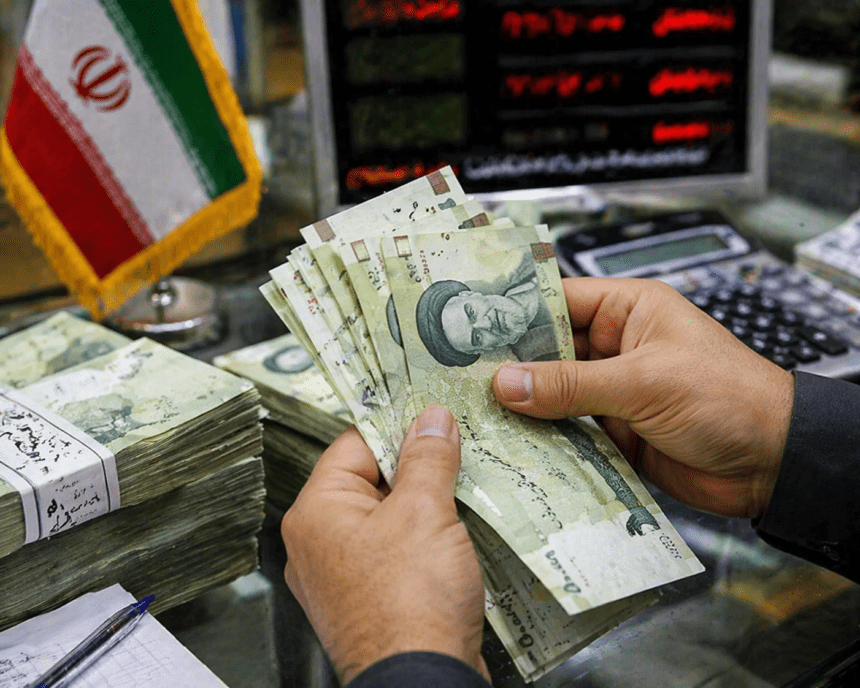
The Iranian rial has attracted growing interest from Pakistani buyers in recent weeks, with exchange market dealers reporting a sharp rise in demand and a steep appreciation against the rupee in the local open market amid the ongoing Iran war. Pakistani exchange company representatives say the rial, which was previously available at very low prices, has risen nearly fourfold in local trading.
Market participants, however, are describing the rally as a speculative surge rather than a sign of underlying economic strength. According to reporting from Pakistan, buyers have entered the market in hopes of further short-term gains, while dealers have linked the move to war-related demand and increased cross-border trade rather than any structural improvement in Iran’s economy.
The broader backdrop remains fragile. Recent reporting drawing on Reuters said Iran’s economy is near the brink of collapse, with sanctions, war pressure and domestic economic stress continuing to weigh on confidence. Separately, the IMF said in its April 2026 World Economic Outlook that the Middle East war has disrupted the global economy, lifted commodity prices and worsened inflation risks, especially for vulnerable emerging economies.
That mismatch — a local-market jump in Pakistan alongside severe economic pressure inside Iran — has made the rial’s rally look more like a high-risk currency play than a conventional investment trend. Dealers quoted in Pakistani media have said demand rose suddenly during the war, underscoring how quickly sentiment-driven buying can push prices up in thin or informal market segments.
For Pakistani buyers, the development is being watched less as a story of stable returns and more as a reminder of how geopolitical conflict can distort currency demand. With Iran still facing sanctions and deep economic uncertainty, the rial’s recent rise in Pakistan is being treated by traders as a volatile wartime bet rather than a dependable store of value.