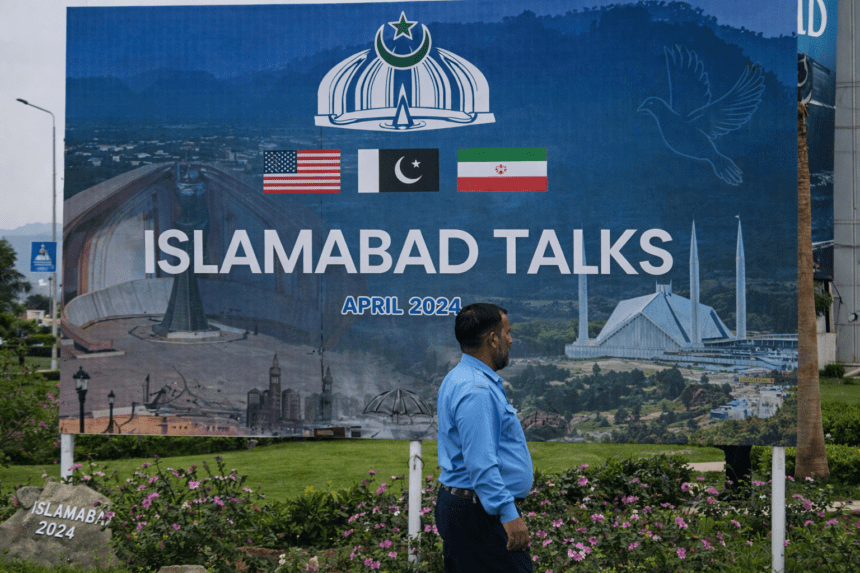
Pakistan has reaffirmed that it is still prepared to host another round of U.S.-Iran talks, even as officials caution that no date has been fixed and the diplomatic track remains fragile. Islamabad’s message is basically this: the channel is still open, the offer to facilitate remains on the table, but the moment is tense, and nothing is locked in yet.
That matters because Pakistan has moved from a quiet intermediary to a visible host in a crisis that, even by regional standards, escalated fast. Earlier this month, Islamabad hosted a 21-hour face-to-face round between U.S. and Iranian delegations. The talks ended without an agreement, but Pakistani mediators urged both sides to preserve the ceasefire and keep diplomacy alive rather than let the process collapse after one failed session.
The trouble now is that the atmosphere has worsened again. Fresh tension followed the reported U.S. seizure of an Iranian-flagged cargo vessel near the Strait of Hormuz, an incident that immediately cast doubt over plans for renewed engagement. Iranian officials signaled that, under current conditions, there were no firm plans to attend a new round, while public reporting on Monday suggested Tehran was still weighing its options rather than fully closing the door.
Pakistan, though, has tried to keep its tone measured. Officials have stressed confidentiality, warned against media speculation, and avoided overselling progress. That’s a pretty deliberate choice. Islamabad appears to be positioning itself as a facilitator that can still provide neutral ground, even if both Washington and Tehran are far from a breakthrough and distrust remains the central obstacle.
The broader diplomatic picture is messy. Pakistan’s role has grown out of weeks of shuttle diplomacy involving regional powers and a push to prevent the wider conflict from spinning further out of control. Analysts have noted that, for Pakistan, hosting these talks is not just about mediation for mediation’s sake; it is also about stabilizing its neighborhood and showing it can matter in a high-stakes geopolitical crisis.
For now, the headline is less about a confirmed meeting than about Pakistan refusing to give up on the process. Islamabad is still saying yes to dialogue, still offering the venue, and still trying to hold together a negotiation track that looks shaky by the day. Whether Washington and Tehran are ready to use that opening is another question entirely.