Oil prices climbed sharply on Monday after Iran vowed to retaliate for the U.S. seizure of an Iranian-flagged cargo vessel, a fresh flashpoint in the already volatile Strait of Hormuz crisis that has rattled global energy markets for weeks. Traders pushed crude higher on fears that any new confrontation in the narrow waterway could choke off shipments from one of the world’s most important oil routes.
The latest jolt came after President Donald Trump said U.S. forces had seized an Iranian cargo ship identified in several reports as the Touska after it tried to pass through an American naval blockade. The Washington Post reported that U.S. Marines boarded the vessel after the destroyer USS Spruance disabled it following repeated warnings. Iran, for its part, condemned the move as piracy and said it would respond.
Markets reacted fast. According to the Associated Press, U.S. crude rose about 6.4% to $87.90 a barrel, while Brent crude, the international benchmark, jumped roughly 5.8% to $95.64. Another AP market report put the moves in a similar range on April 20, with U.S. crude near $87.51 and Brent around $95.26, showing just how sensitive prices remain to every twist in the standoff.
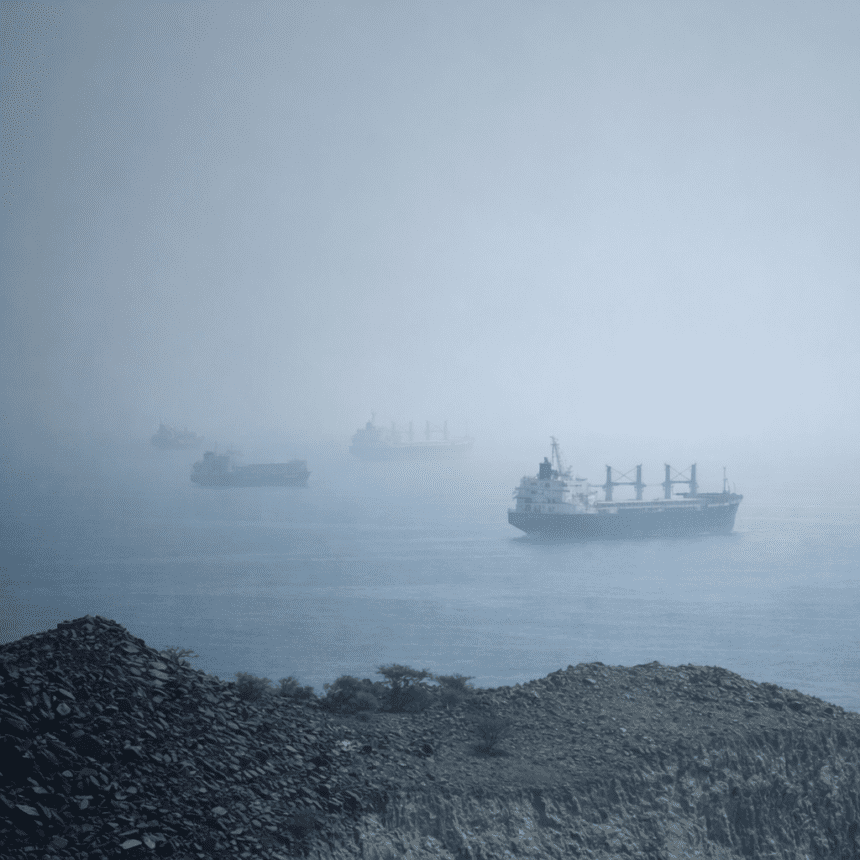
That sensitivity is easy to understand. The Strait of Hormuz is a bottleneck for a huge share of the world’s seaborne oil trade, and even short-lived disruptions can send freight costs, insurance premiums and benchmark prices sharply higher. Recent reporting has described tanker traffic being stranded or delayed as the U.S.-Iran confrontation deepens, with investors watching not just military headlines but whether commercial shipping can move at all.
Iranian officials have framed the U.S. blockade and the ship seizure as violations of a fragile ceasefire arrangement that was supposed to create space for diplomacy. AP reported that the ceasefire is due to expire on Wednesday, adding another layer of uncertainty to an already unstable situation. If talks collapse, traders appear to believe the Strait could face even more serious disruption.
The dispute is not happening in isolation. It sits inside a broader 2026 Hormuz crisis that has repeatedly shaken oil markets since late February, with attacks on shipping, threats against regional infrastructure and naval pressure campaigns all feeding fears of a wider supply shock. Analysts and governments alike have been trying to gauge whether this is another temporary spike or something more lasting. Right now, the market is leaning toward caution. Maybe alarm, honestly.
For consumers and importing countries, the concern is simple: higher crude prices rarely stay confined to trading screens. AP reported that average U.S. gasoline prices have already climbed well above pre-war levels, a sign that the economic fallout is moving beyond headline volatility and into daily life. In Asia and Europe, where many economies are especially exposed to Middle East energy flows, the risk is even more immediate.
What comes next will depend on two things: whether Iran carries out its threatened retaliation, and whether shipping through Hormuz can resume without fresh military action. Until there’s clarity on either front, the oil market looks likely to remain jumpy, with every naval maneuver and every political statement carrying outsized weight. In this kind of environment, even one seized ship can feel much bigger than a single incident.