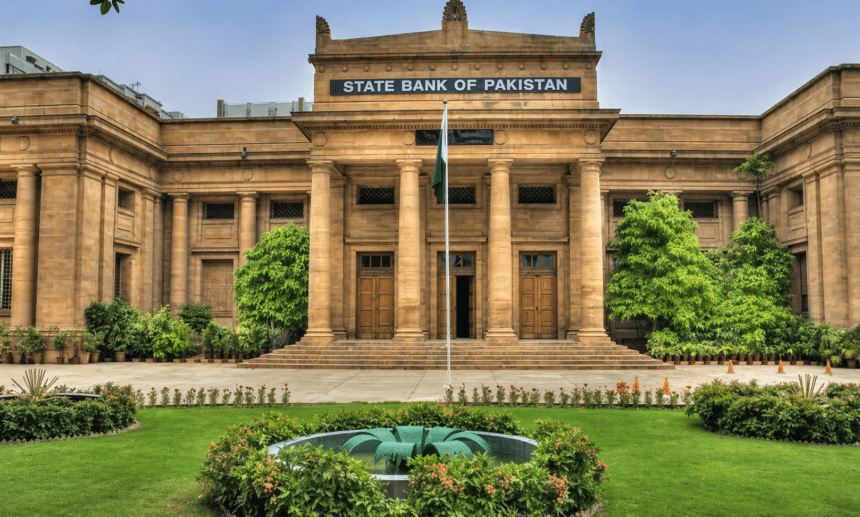
Pakistan’s central bank says it has received $2 billion from Saudi Arabia, giving the country a badly needed cushion as it manages pressure on foreign exchange reserves and a tight external financing calendar. The State Bank of Pakistan said the funds came from the Saudi finance ministry, with a value date of April 15, 2026.
The transfer matters for two reasons. First, it immediately strengthens Pakistan’s reserve position. Second, it appears to be part of a broader Saudi package that Finance Minister Muhammad Aurangzeb said totals $3 billion in additional support, while Riyadh has also agreed to extend the maturity of an existing $5 billion deposit for a longer period.
That means the original headline floating around in some places — saying Pakistan received $1 billion as a second tranche — doesn’t line up with the reporting now on record. The publicly confirmed amount so far is $2 billion, and several reports say the remaining funds are expected separately.
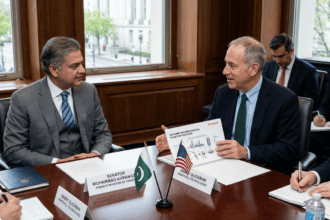
Aurangzeb disclosed the Saudi support while speaking in Washington on the sidelines of the World Bank-IMF Spring Meetings, where Pakistan has been trying to reassure lenders and investors that it can stay on top of its repayments. Reuters reporting carried by Channel News Asia said the Saudi package was tied to Pakistan’s efforts to plug a financing gap linked to an upcoming repayment to the United Arab Emirates.
The timing is hard to miss. Pakistan has been under pressure to keep reserves stable while sticking to reform commitments and meeting external obligations. In that context, even a single large deposit can buy breathing room, though not necessarily comfort. The Saudi inflow helps, but it doesn’t erase the underlying strain in Pakistan’s balance-of-payments picture. That is an inference based on the country’s reported reserve pressures, repayment needs, and continued dependence on bilateral and multilateral support.
There is also a political layer to this. The transfer came shortly after Prime Minister Shehbaz Sharif met Saudi Crown Prince Mohammed bin Salman in Jeddah, underscoring how financial diplomacy and strategic ties are still central to Pakistan’s economic management.
For Islamabad, the Saudi support is more than just a number on a balance sheet. It is a signal to markets, to creditors, and honestly to Pakistan’s own policymakers that close regional partners are still willing to step in when the pressure rises. But the broader test remains the same: whether temporary inflows can be turned into something more durable — stronger reserves, fewer emergency rollovers, and an economy less exposed to the next repayment scare.