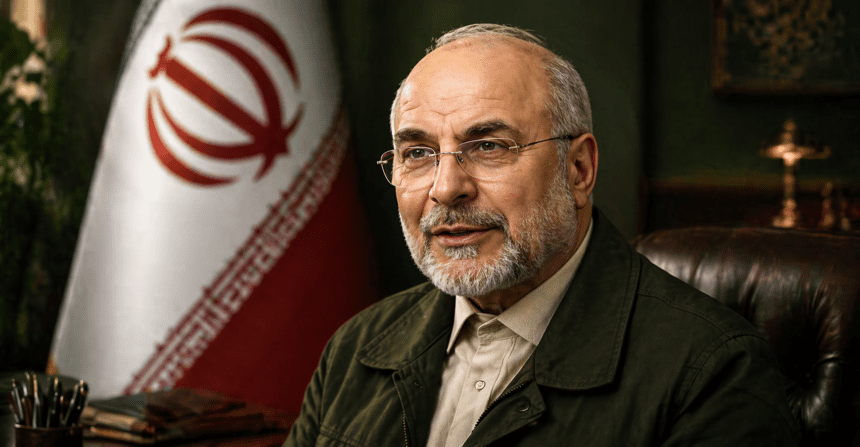
Iran’s parliament speaker, Mohammad Bagher Ghalibaf, said Tuesday that Tehran will not negotiate with the United States “under the shadow of threats,” hardening Iran’s public position at a moment when talk of fresh diplomacy is colliding with military pressure, ceasefire uncertainty and mixed signals from Washington. Recent reporting says the remark was posted on X as doubts grew over whether another round of Iran-US talks would go ahead.
The timing matters. The statement landed as a fragile ceasefire window appeared to be closing and after US President Donald Trump signaled both interest in a deal and readiness to keep up coercive pressure. According to Associated Press and other reports, Washington has still floated the idea of sending a negotiating team to Islamabad, even as Iranian officials publicly insist they won’t enter talks on terms they see as intimidation.
Ghalibaf’s message also fits a broader line he has been pushing for days. Earlier reporting from April said he had presented Iran as willing to engage only if Washington offered what he called a “genuine” agreement and recognized Iran’s rights. He also tied progress to trust, arguing that past US behavior had left Tehran deeply skeptical. That position, frankly, has now become the backbone of Iran’s public diplomacy: yes to talks in principle, no to talks under duress.
In the days before this latest statement, Ghalibaf and other Iranian voices had already raised conditions around the diplomatic track. Reports from last week said Tehran wanted previously discussed steps addressed before negotiations could move forward, including issues linked to ceasefire arrangements and blocked Iranian assets. Those disputes helped stall momentum from the Islamabad channel and fed the sense that even when both sides talked about negotiations, they were still talking past each other.
That leaves the current picture looking messy and tense. On one side, US officials have kept the door to diplomacy ajar. On the other, Iranian leaders are framing the American approach as an attempt to force concessions through threats. The Wall Street Journal reported that Ghalibaf warned Iran had prepared new strategies in case pressure escalates further, while AP described a region already rattled by casualties, market volatility and fears of a wider confrontation.
For now, Tehran’s message is blunt: negotiations cannot happen with a gun on the table. Whether that is a bargaining position, a real red line, or both, will become clearer in the next few days. But at this stage, the diplomatic path looks narrow, and every public statement seems to be making it narrower still.
Iran’s parliament speaker, Mohammad Bagher Ghalibaf, said Tuesday that Tehran will not negotiate with the United States “under the shadow of threats,” hardening Iran’s public position at a moment when talk of fresh diplomacy is colliding with military pressure, ceasefire uncertainty and mixed signals from Washington. Recent reporting says the remark was posted on X as doubts grew over whether another round of Iran-US talks would go ahead.
The timing matters. The statement landed as a fragile ceasefire window appeared to be closing and after US President Donald Trump signaled both interest in a deal and readiness to keep up coercive pressure. According to Associated Press and other reports, Washington has still floated the idea of sending a negotiating team to Islamabad, even as Iranian officials publicly insist they won’t enter talks on terms they see as intimidation.
Ghalibaf’s message also fits a broader line he has been pushing for days. Earlier reporting from April said he had presented Iran as willing to engage only if Washington offered what he called a “genuine” agreement and recognized Iran’s rights. He also tied progress to trust, arguing that past US behavior had left Tehran deeply skeptical. That position, frankly, has now become the backbone of Iran’s public diplomacy: yes to talks in principle, no to talks under duress.
In the days before this latest statement, Ghalibaf and other Iranian voices had already raised conditions around the diplomatic track. Reports from last week said Tehran wanted previously discussed steps addressed before negotiations could move forward, including issues linked to ceasefire arrangements and blocked Iranian assets. Those disputes helped stall momentum from the Islamabad channel and fed the sense that even when both sides talked about negotiations, they were still talking past each other.
That leaves the current picture looking messy and tense. On one side, US officials have kept the door to diplomacy ajar. On the other, Iranian leaders are framing the American approach as an attempt to force concessions through threats. The Wall Street Journal reported that Ghalibaf warned Iran had prepared new strategies in case pressure escalates further, while AP described a region already rattled by casualties, market volatility and fears of a wider confrontation.
For now, Tehran’s message is blunt: negotiations cannot happen with a gun on the table. Whether that is a bargaining position, a real red line, or both, will become clearer in the next few days. But at this stage, the diplomatic path looks narrow, and every public statement seems to be making it narrower still.