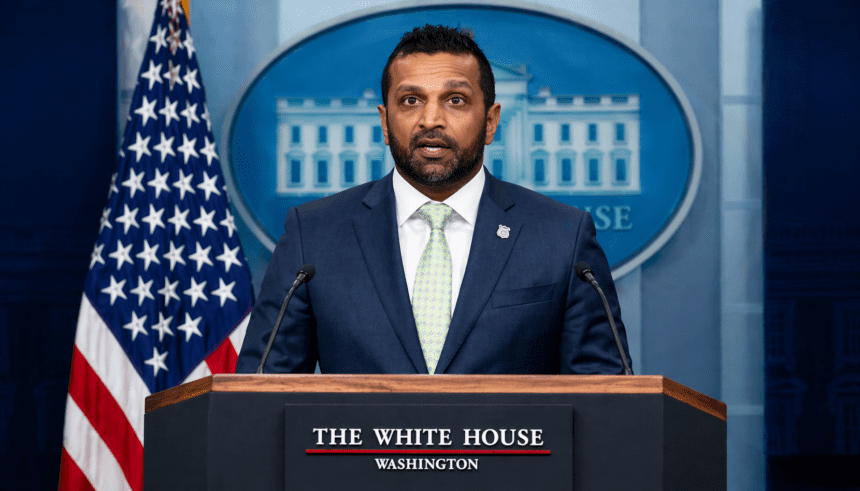
FBI Director Kash Patel has forcefully denied allegations that he drank heavily, missed work, or became unreachable during sensitive periods on the job, pushing back against claims published by The Atlantic and turning the dispute into a high-profile defamation fight in Washington. Patel says the story is false “from start to finish” and has sued the magazine and reporter Sarah Fitzpatrick for $250 million.
The clash began after The Atlantic published a report on April 17, 2026, built largely on anonymous sources, alleging what it described as “conspicuous inebriation and unexplained absences” that had worried officials at both the FBI and the Justice Department. According to Reuters and AP, the article also claimed some early meetings had to be rescheduled after late nights and that Patel was at times away or unreachable when decisions were needed on ongoing investigations.
Patel has rejected all of it. In comments reported by Reuters, he said, “The Atlantic’s story is a lie,” arguing that the magazine had been given denials before publication and printed the allegations anyway. Al Jazeera, citing Patel’s public remarks, reported that he also specifically denied ever being “intoxicated on the job” or absent from duty.
That denial has now moved beyond words. Patel’s lawsuit, filed in federal court in Washington, says the article was defamatory and deliberately damaging, portraying it as a rushed and malicious attack on the country’s top federal law-enforcement official. AP and Reuters both report that the suit targets not only the article’s claims about drinking, but also its broader suggestion that Patel’s conduct could affect national security and FBI operations.
The Atlantic, for its part, is not backing down. The magazine said it stands by its reporting and will defend the case vigorously. That leaves the matter where these disputes usually end up: not in the shouting match of a press conference, but in the harder terrain of evidence, sourcing, and legal standards for defamation involving a public official.
There is a wider political context here too, and it matters. Patel is a close Trump ally, and the case lands at a moment when media-law fights have become a familiar feature of U.S. politics. Reuters noted that the lawsuit joins a broader pattern of aggressive legal action by Trump-world figures against news organizations, even as courts have dismissed some similar claims in other cases.
The pressure around Patel has not come from just one direction. On April 22, 2026, a federal judge dismissed a separate defamation suit Patel had brought against former FBI official Frank Figliuzzi over a comment suggesting Patel was seen in nightclubs more often than at FBI headquarters. The judge ruled that the remark amounted to rhetorical hyperbole rather than a literal factual claim. That ruling does not decide the Atlantic case, but it does underline how steep the legal hill can be in public-figure defamation battles.