By using this site, you agree to the Privacy Policy and Terms of Use.
Accept
Media HydeMedia Hyde
  • Home
  • Politics
  • Education
  • Entertainment
  • Sports
  • Blogs
  • Business & Commerce
  • Others
    • Religious
    • Metropolitan
    • Climate and Weather
Font ResizerAa
Media HydeMedia Hyde
Font ResizerAa
  • Home
  • Politics
  • Education
  • Entertainment
  • Sports
  • Blogs
  • Business & Commerce
  • Others
    • Religious
    • Metropolitan
    • Climate and Weather
Follow US
© 2026 Media Hyde Network. All Rights Reserved.
Politics

FBI director denies drinking claims, calls report false and files $250m lawsuit

Last updated: April 22, 2026 10:49 am
Abdul Saboor
Share
SHARE

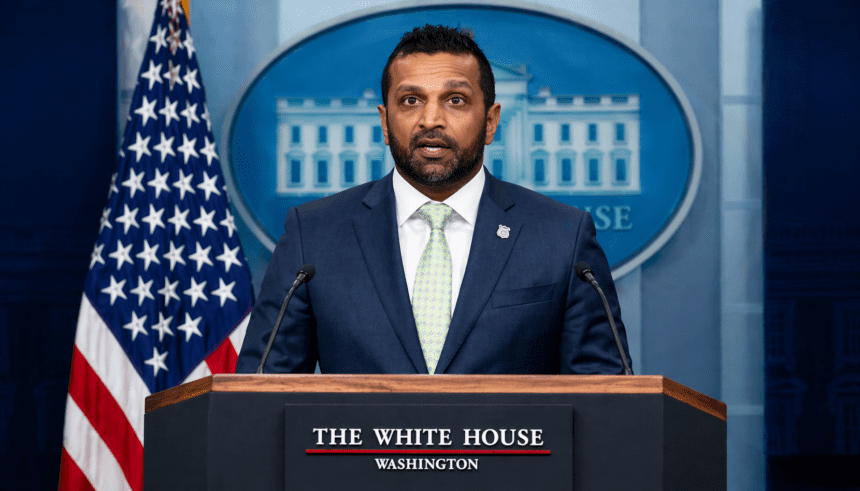
FBI Director Kash Patel has forcefully denied allegations that he drank heavily, missed work, or became unreachable during sensitive periods on the job, pushing back against claims published by The Atlantic and turning the dispute into a high-profile defamation fight in Washington. Patel says the story is false “from start to finish” and has sued the magazine and reporter Sarah Fitzpatrick for $250 million.

The clash began after The Atlantic published a report on April 17, 2026, built largely on anonymous sources, alleging what it described as “conspicuous inebriation and unexplained absences” that had worried officials at both the FBI and the Justice Department. According to Reuters and AP, the article also claimed some early meetings had to be rescheduled after late nights and that Patel was at times away or unreachable when decisions were needed on ongoing investigations.

Patel has rejected all of it. In comments reported by Reuters, he said, “The Atlantic’s story is a lie,” arguing that the magazine had been given denials before publication and printed the allegations anyway. Al Jazeera, citing Patel’s public remarks, reported that he also specifically denied ever being “intoxicated on the job” or absent from duty.

That denial has now moved beyond words. Patel’s lawsuit, filed in federal court in Washington, says the article was defamatory and deliberately damaging, portraying it as a rushed and malicious attack on the country’s top federal law-enforcement official. AP and Reuters both report that the suit targets not only the article’s claims about drinking, but also its broader suggestion that Patel’s conduct could affect national security and FBI operations.

The Atlantic, for its part, is not backing down. The magazine said it stands by its reporting and will defend the case vigorously. That leaves the matter where these disputes usually end up: not in the shouting match of a press conference, but in the harder terrain of evidence, sourcing, and legal standards for defamation involving a public official.

There is a wider political context here too, and it matters. Patel is a close Trump ally, and the case lands at a moment when media-law fights have become a familiar feature of U.S. politics. Reuters noted that the lawsuit joins a broader pattern of aggressive legal action by Trump-world figures against news organizations, even as courts have dismissed some similar claims in other cases.

The pressure around Patel has not come from just one direction. On April 22, 2026, a federal judge dismissed a separate defamation suit Patel had brought against former FBI official Frank Figliuzzi over a comment suggesting Patel was seen in nightclubs more often than at FBI headquarters. The judge ruled that the remark amounted to rhetorical hyperbole rather than a literal factual claim. That ruling does not decide the Atlantic case, but it does underline how steep the legal hill can be in public-figure defamation battles.

Share This Article
Email Copy Link Print
Previous Article PARIS — French President Emmanuel Macron said Tuesday that France will help Lebanon prepare for negotiations with Israel, throwing Paris more directly behind a diplomatic push that both sides hope can keep a shaky ceasefire from collapsing. The pledge came after Macron met Lebanese Prime Minister Nawaf Salam in Paris on April 21, 2026, with both men calling for talks aimed at reinforcing the truce and easing pressure along the border. The message from Paris was fairly blunt: diplomacy has to move faster than events on the ground. Macron said securing the truce in Lebanon remains a priority, while Salam said Beirut is still committed to a political route — but only if Israel fully withdraws and Lebanese sovereignty is respected. That gives the talks a familiar tension from the outset: everybody says they want calm, but each side is attaching hard conditions to what comes next. What makes this moment different is that actual contact has already started. Earlier in April, Lebanon and Israel held their first direct diplomatic talks in decades in Washington, a notable step for two countries that remain formally at war. Those talks lasted more than two hours, according to AP, and were seen as an opening rather than any kind of breakthrough. Still, even getting both sides into the same room was a shift. A month ago, that would have sounded like a long shot. France is trying to carve out a role around that opening, even if it is not at the center of the U.S.-led channel. Reuters, in a report carried by AOL, said Macron offered French help in preparing Lebanese authorities for the negotiations despite Paris not being directly involved in the current track. That matters because France has longstanding ties to Lebanon and has already tried in recent months to position itself as a possible facilitator for Lebanon-Israel contacts. None of this is happening in calm conditions. The ceasefire itself is fragile, and that word keeps showing up for a reason. AP reported that Macron and Salam framed negotiations as a way to shore up that truce, not celebrate it. In other words, this is less about a peace moment and more about damage control — an attempt to stop cross-border violence from flaring back into a wider war. There is another layer here too: France’s own stake in Lebanon’s security picture has grown more personal and more political. AP reported that a French peacekeeper serving with the U.N. mission in southern Lebanon was recently killed, with France and UNIFIL blaming Hezbollah, which denied responsibility. Macron also signaled France could support a future peacekeeping arrangement if the current UNIFIL mandate expires later this year. That does not make France a neutral bystander. It makes Paris a country with skin in the game. For Lebanon, Salam’s visit was about more than symbolism. It was also about trying to strengthen Beirut’s hand before any deeper round of talks. That is how the Reuters report framed the meeting, and it fits the broader reality: Lebanon wants diplomatic backing, but it also wants guarantees that negotiations will not simply formalize Israeli military leverage on the ground. Israel, for its part, has shown little appetite for giving France a central seat. Recent reporting from The Times of Israel said Jerusalem has effectively boxed Paris out of the current Lebanon track, a sign that Macron’s activism is not automatically welcome everywhere. So France may end up playing the role of outside backer rather than direct broker, at least for now. That is still useful, but it is not the same thing as controlling the process. That leaves the region in an awkward, in-between place. The channels are open. The rhetoric is cautious. The fighting has eased, but nobody seems ready to pretend the danger is over. Macron’s offer to help Lebanon prepare for talks is significant because it tries to turn a brief diplomatic opening into something sturdier. Whether that works depends on what happens next — in Washington, along the border, and in the political calculations of Beirut and Jerusalem. Right now, the talks look less like a grand peace effort and more like a narrow bridge built over very thin ice. Macron says France will help Lebanon get ready for talks with Israel
Next Article London hosts military talks on France and UK’s Hormuz mission
Leave a Comment

Leave a Reply Cancel reply

Your email address will not be published. Required fields are marked *

Sponsored Ads

Stay Connected

FacebookLike
XFollow
InstagramFollow
YoutubeSubscribe
WhatsAppFollow
ThreadsFollow
Iranian gunboat fires on container ship near Omani coast
Politics
April 22, 2026
Kafeel: Aashir Wajahat’s parents hail his powerful turn as Subuk
Entertainment
April 22, 2026
Tiny Pacific nations face tough choices on food, fuel posed by Iran war
Politics
April 22, 2026
Charity pledges millions to plug river conservation funding
Climate and Weather
April 22, 2026
Beef Season 2 opens far below breakout first season, despite solid reviews
Entertainment
April 22, 2026
Kuwait revokes citizenship of 172 individuals in latest batch
Politics
April 22, 2026

You Might Also Like

Politics

Afghanistan Must Decide: Militancy or Peace with Pakistan, Says CDF Asim Munir

By
Sana Mustafa
Politics

18 Labourers Abducted in Khuzdar as Gunmen Attack Construction Site

By
Sana Mustafa
Politics

KP CM Gandapur Calls for National Unity, Backs Kalabagh-like Project

By
Hannan Kaimkhani
Politics

Indonesia Seeks Stronger Defence Ties with Pakistan

By
Hannan Kaimkhani
Media Hyde Media Hyde Dark
Facebook Twitter Youtube Rss Medium

About US

Media Hyde Network: Your instant connection to breaking stories and live updates. Stay informed with our real-time coverage across politics, tech, entertainment, and more. Your reliable source for 24/7 News.

Top Categories
  • Headline
  • Politics
  • Entertainment
  • Education
  • Sports
  • Religious
  • Metropolitan
  • Climate and Weather
Usefull Links
  • Contact Us
  • Disclaimer
  • Privacy Policy
  • Cookies Policy
  • Advertising Policy
  • Terms & Conditions

© 2025 Media Hyde Network. All Rights Reserved.

Welcome Back!

Sign in to your account

Username or Email Address
Password

Lost your password?