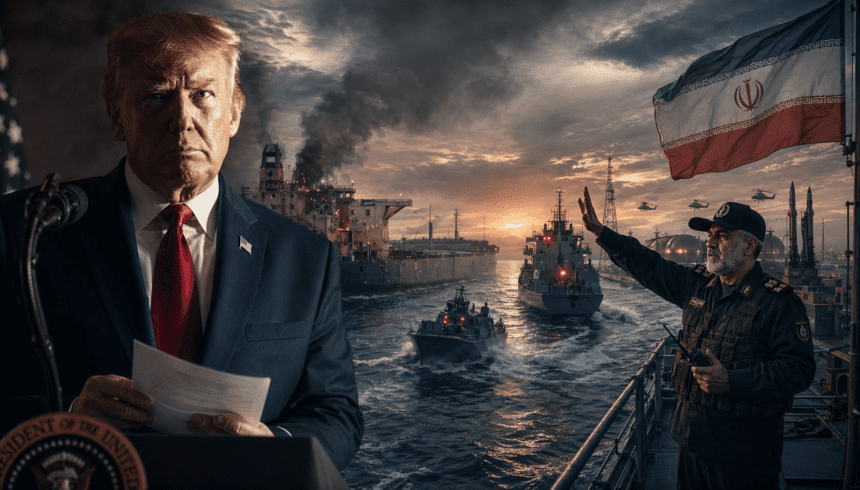
RED SEA — Two commercial ships reported direct hits from projectile fire off the coast of Yemen today, an escalation that has effectively stalled back-channel negotiations aimed at de-escalating the Iran-backed maritime conflict.
The attacks occurred within hours of each other near the Bab el-Mandeb Strait, a vital artery for global energy and trade. While neither vessel reported casualties, the synchronized nature of the strikes suggests a calculated shift in tactics by Houthi forces. They aren’t just firing at random; they are targeting the specific logistics chains that sustain regional trade.
For the shipping industry, the message is clear: the Red Sea remains a high-risk zone despite months of international naval patrols. Insurance premiums for vessels traversing the area have spiked by 15% since this morning’s reports, a cost that will inevitably trickle down to consumer goods in Europe and Asia.
Diplomatic tracks have hit a wall. Negotiators in Oman, who were supposedly closing in on a temporary maritime ceasefire, have walked away from the table. An official close to the discussions said the talks were “suspended indefinitely” following the latest strikes, noting that communication lines between regional mediators and Tehran-linked proxies have gone cold.
Tehran has officially denied direct involvement in the latest incidents. Yet, intelligence analysts point to the sophisticated drone hardware recovered from the scene—equipment that experts confirm originates from Iranian supply lines.
The U.S. Navy’s 5th Fleet has increased its patrol radius, but commanders on the ground admit that guarding every merchant vessel in such a vast corridor is a logistical impossibility. They are playing a defensive game against an opponent that only needs one successful hit to disrupt global markets.
As the smoke clears over the Red Sea, the immediate future of maritime security looks bleak. Shipping conglomerates are now advising vessels to divert around the Cape of Good Hope, adding weeks to transit times and millions to fuel costs. The conflict has moved beyond regional skirmishing; it is now a fundamental disruption to the global economy that shows no signs of stabilizing.