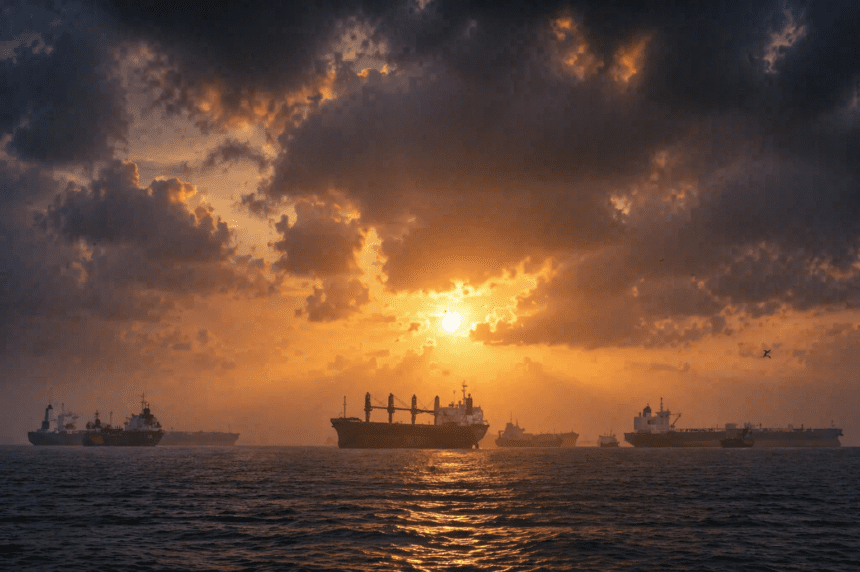
Hopes for diplomacy flickered back to life on April 17, 2026, after Iran announced that the Strait of Hormuz was “completely open” to commercial vessels, easing immediate fears of a wider energy shock and helping drive oil prices lower. The announcement mattered because the strait is one of the world’s most sensitive shipping chokepoints, and any disruption there quickly turns into a global economic story. But the optimism came with an obvious warning label: reopening a waterway is not the same thing as ending a war.
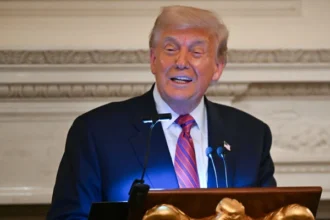
The immediate reason for the brighter mood was simple enough. Iranian Foreign Minister Abbas Araghchi said commercial ships could pass safely through the strait, and President Donald Trump publicly welcomed the move. Markets responded fast. AP reported that oil prices fell sharply after the reopening was announced, a sign that traders saw at least a small chance that the region might step back from the brink.
Still, the biggest hurdle remains in plain sight: the U.S. blockade on Iranian ships and ports is still in force. Trump said the American naval blockade would remain until a broader agreement with Tehran is completed, including unresolved issues tied to Iran’s nuclear program. So even with the strait reopened to wider traffic, one of the most coercive tools in the conflict is still active. That undercuts any easy narrative that the crisis is suddenly winding down.
There’s another complication. The reopening appears tied to the fragile 10-day ceasefire between Israel and Hezbollah in Lebanon, not to a full regional settlement. AP’s live coverage showed that the truce had only just begun, with people returning to damaged areas in southern Lebanon while political and military tensions remained unresolved. In other words, the calm is real enough to notice, but not yet strong enough to trust.
The diplomacy itself is also messy. AP reported that mediation efforts are centering on several hard issues at once: Iran’s nuclear activities, maritime access, and compensation for wartime damage. Those are not side questions. They are the core of the dispute. Trump also suggested more talks could happen soon, but some of his claims, including assertions about enriched uranium, had not been confirmed by Iran or intermediaries in the same reporting. That gap between public optimism and verified agreement is exactly why hopes for peace talks remain tentative.
Inside Iran, the picture does not look entirely seamless either. Reporting from other outlets indicated that the reopening of the strait did not erase internal questions about who is setting policy and under what conditions commercial traffic can move. Even where outside governments welcome the announcement, maritime access still appears linked to designated routes and continuing security coordination, which suggests the situation is more controlled than fully normalized.
So yes, there is a genuine opening here. The Strait of Hormuz staying open lowers the temperature, gives global markets some relief, and creates space for diplomacy to breathe. But the main barriers to peace talks have not disappeared: the U.S. blockade is still active, the Lebanon ceasefire is fragile, the nuclear file remains unresolved, and neither side has shown that it is ready to concede on the issues that actually matter most. The waterway may be open. The path to a deal is not.