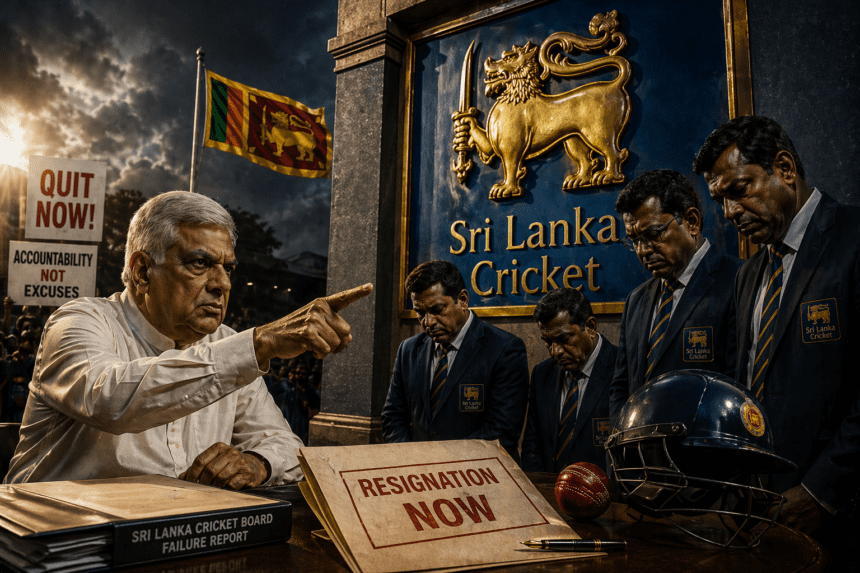
Sri Lanka’s sports ministry told the national cricket board to step down Tuesday. The move follows a humiliating World Cup exit that sparked public outrage and prompted police to deploy outside the board’s Colombo headquarters.
This isn’t just about a bad run of form. It’s a full-blown institutional crisis. Sports Minister Roshan Ranasinghe made his position clear: the current leadership has lost its “moral right” to manage the game. Fans are livid, and the government knows it.
“The officials should resign voluntarily,” Ranasinghe said in a statement that stopped just short of a legal mandate. He pointed to the 302-run thrashing by India — where the team folded for a mere 55 — as the final straw. The ministry’s demand follows years of corruption allegations and financial mismanagement that have dogged the board, even as the country’s most popular sport hit rock bottom on the field.
The board’s secretary, Mohan de Silva, resigned earlier this morning. The rest of the executive committee, however, hasn’t budged. They’re digging in, likely preparing for a legal fight in the Court of Appeal to protect their positions.
This power struggle puts Sri Lanka on a collision course with the International Cricket Council (ICC). The ICC doesn’t tolerate political interference in national boards. If Ranasinghe forcibly removes the elected members, Sri Lanka faces a global ban — a move that would strip the country of its right to host the upcoming Under-19 World Cup and halt all funding.
It’s a high-stakes gamble for the ministry. By publicly calling for a mass resignation, they’ve cornered the board. But without a voluntary exit, the government must choose between letting the current administration stay or risking a total freeze on Sri Lankan cricket by the ICC.
For now, the board remains in place, though their authority is effectively shattered. The next few days will determine if the ministry has the leverage to force a total overhaul — or if they’ve just invited a global suspension they can’t afford.