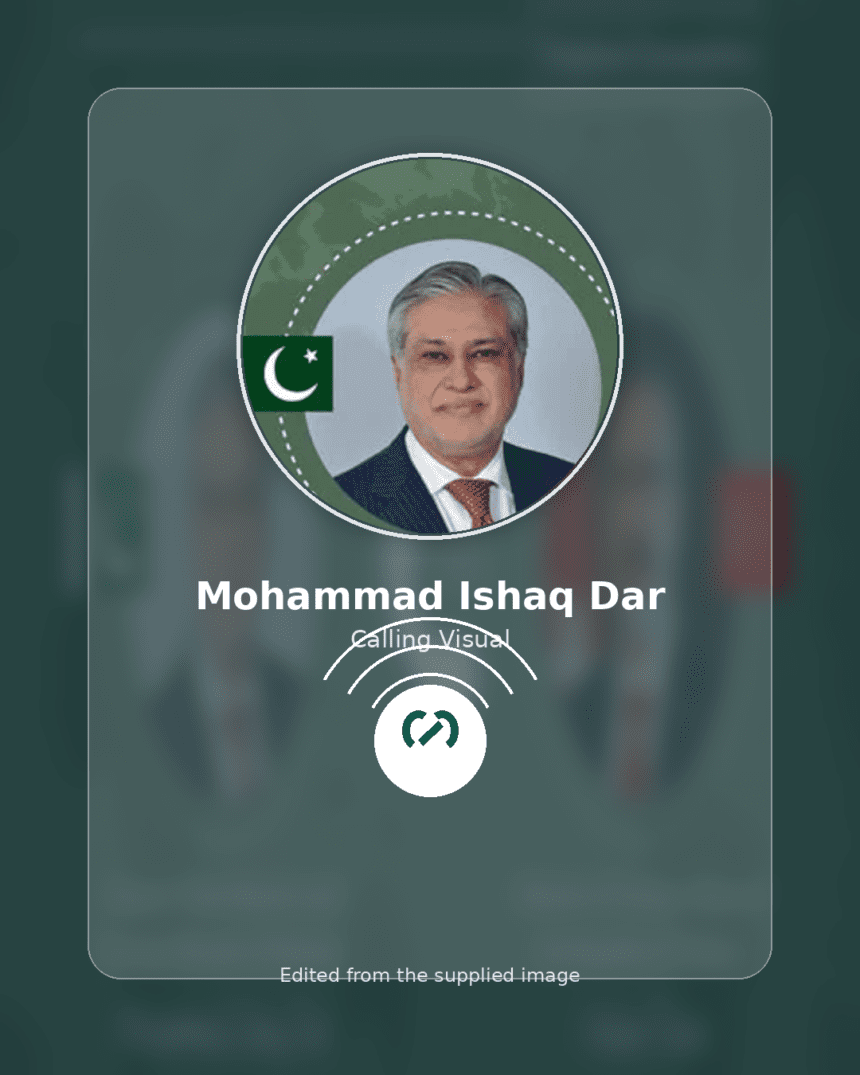
Pakistan and Türkiye used a fresh round of high-level contact to review the regional situation and underline the need for sustained diplomacy, as Islamabad and Ankara step up coordination amid turbulence across the Gulf and wider Middle East. Pakistani and Turkish officials have, in recent weeks, repeatedly stressed de-escalation, close consultation and support for political dialogue rather than military escalation.
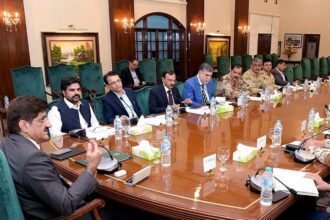
The latest exchange fits into a broader pattern that has become hard to miss. On March 29, Pakistan’s Foreign Office said Deputy Prime Minister and Foreign Minister Ishaq Dar met Turkish Foreign Minister Hakan Fidan in Islamabad, where both sides reviewed bilateral ties and exchanged views on recent regional developments, including the evolving situation in Iran. The statement said they emphasized “dialogue and sustained diplomatic engagement” and agreed to maintain close coordination.
That line has stayed remarkably consistent. Radio Pakistan reported after one of the recent contacts that both sides discussed the escalating regional situation, expressed concern over the trajectory of events, and reaffirmed their commitment to regional peace and stability. The same report said they agreed to remain in close touch on regional developments and matters of mutual interest.
What gives this contact extra weight is the timing. Pakistan has been trying to position itself as an active diplomatic player in the current regional crisis, while Türkiye has been pushing a similar argument: regional problems need regional solutions. That message was made explicit ahead of the Antalya Diplomacy Forum, where Turkish Foreign Ministry sources said foreign ministers from Türkiye, Pakistan, Saudi Arabia and Egypt were due to meet again to discuss regional issues under a “regional ownership framework,” with a focus on producing regional solutions to regional challenges.
Islamabad, for its part, framed Prime Minister Shehbaz Sharif’s April 15–18 visits to Saudi Arabia, Qatar and Türkiye as part of an effort to discuss regional peace and security and project Pakistan’s commitment to constructive diplomacy and multilateral engagement. That official framing matters, because it shows the Pakistan-Türkiye conversation is not happening in isolation; it is part of a wider diplomatic push involving several key Muslim-majority states trying to prevent the region from sliding further into instability.
By mid-April, that effort had moved to the leaders’ level as well. Pakistan’s Prime Minister’s Office said Shehbaz Sharif and President Recep Tayyip Erdoğan, meeting on the sidelines of the Antalya Diplomacy Forum, discussed regional and global matters, voiced deep concern over the humanitarian situation in Gaza, and reiterated their commitment to strengthening the strategic partnership between Pakistan and Türkiye in support of peace, stability and prosperity in the region. Anadolu also reported that the two leaders discussed bilateral relations and ongoing ceasefire-related diplomacy tied to the Iran crisis.
Seen together, these contacts show something larger than routine diplomatic courtesy. Pakistan and Türkiye are trying to keep themselves at the center of a fast-moving regional conversation, one that now stretches from Gaza to Iran and the Gulf. There is a practical side to that, of course: both governments want to preserve influence, protect regional stability and avoid a wider conflict that could ripple through trade routes, energy markets and domestic politics. But there is also a political signal here. Ankara and Islamabad appear keen to show that they are not just reacting to events; they want a hand in shaping what comes next.
For now, the public language remains measured. No dramatic declarations, no sweeping breakthrough claims. Just steady coordination, repeated calls for dialogue, and a clear attempt to keep diplomatic channels open while the region remains on edge. In moments like this, that may not sound flashy. Still, in this part of the world, sustained contact itself can be the story.