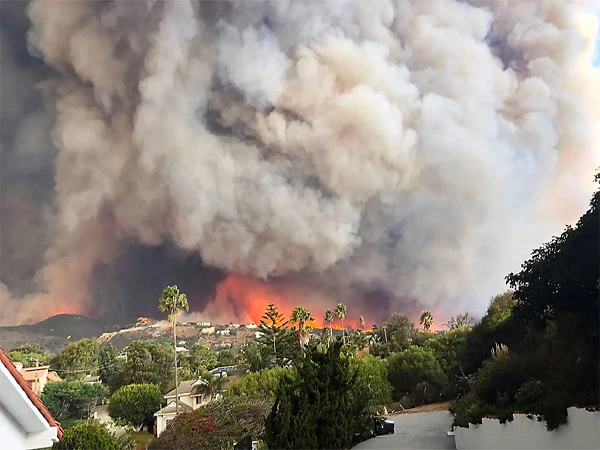
A recent study has found that breathing in wildfire smoke may significantly increase the risk of lung, colon, breast, bladder and blood cancers.
According to the lead author of the study, Xinzheng Wu from the University of New Mexico Comprehensive Cancer Center, it is already known that wildfire smoke contains various toxic substances, including cancer causing compounds such as polycyclic aromatic hydrocarbons.
However, the full impact of this smoke on the human body in real life conditions is not yet completely understood, particularly in relation to cancer risk.
Xinzheng Wu stated that the toxic components present in the smoke are not limited to the lungs but can enter the bloodstream and spread throughout the body, affecting various biological systems and potentially accelerating the process of cancer development.
She also explained that exposure to the smoke itself triggers an inflammatory response, which can affect the entire body and further increase the risk of cancer. These findings were presented in a study at the AACR Annual Meeting 2026.