Gold prices eased on Thursday as rising crude oil costs sparked renewed inflation fears, prompting investors to rethink interest rate expectations. Meanwhile, geopolitical developments involving the United States and Iran added an extra layer of market uncertainty.
Market Movements:
- Spot gold dropped about 0.7% to $4,705 per ounce, reflecting investor caution over potential inflationary pressures.
- U.S. gold futures for June delivery fell roughly 0.6–0.7%, aligning with the broader retreat in safe-haven assets.
- Brent crude oil remained above $100 per barrel, keeping inflation concerns alive and weighing on gold.
Why Gold is Declining:
The sustained rise in oil prices fuels worries about broader inflation, which may influence central banks to maintain higher interest rates for longer. Higher yields on other assets make gold, which carries no interest, less attractive in comparison. Additionally, rising energy costs increase production and transportation expenses, adding to overall price pressures.
Geopolitical Factors:
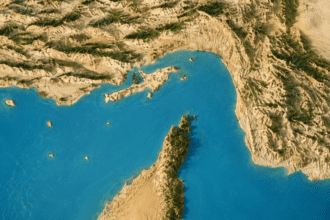
U.S.-Iran relations continue to influence investor sentiment. Recent Iranian actions in the Strait of Hormuz have heightened concerns over energy supply disruptions. Negotiations between Washington and Tehran remain stalled, with both sides signaling complex preconditions for meaningful agreements.
Market Expectations:
Traders are adjusting expectations for the Federal Reserve’s policy path. A Reuters poll indicates that the market now prices in only a 23% chance of a rate cut by December, down from earlier optimism. This recalibration reflects concerns over persistent inflation driven by energy costs and global uncertainties.
Looking Ahead:
Analysts suggest that gold may continue to face headwinds as long as oil prices remain elevated and U.S.-Iran tensions persist. Investors are likely to monitor both macroeconomic indicators and geopolitical developments closely before making significant moves in the precious metals market.