London Bridge commuters are now sharing the city’s most famous views with a new set of residents: solitary bees and hibernating insects.
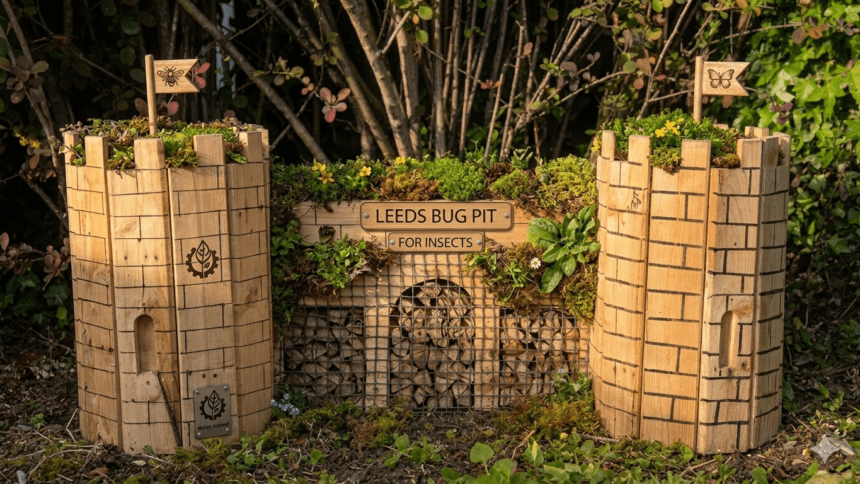
A series of miniature replicas of the Shard, the Gherkin, and Tower Bridge have appeared near the station’s busy thoroughfares. These aren’t just architectural models; they’re fully functional “bug hotels” designed to provide refuge for pollinators in one of the capital’s most paved-over districts.
The project, a collaboration between Network Rail and environmental partners, aims to bridge the gap between urban infrastructure and the natural world. By mimicking the crevices found in dead wood or hollow stems, these structures offer nesting sites for insects that would otherwise struggle to survive the concrete expanse of Southwark.
“Cities don’t have to be dead zones for nature,” said a project spokesperson during the installation. “We’ve got thousands of people passing through here every hour. If we can give a home to a few hundred bees at the same time, it’s a win for the local ecosystem.”
The hotels aren’t just for show. Each “landmark” is packed with specific materials—bamboo tubes for bees, dry leaves for ladybirds, and drilled logs for beetles. These insects are critical for the survival of nearby green pockets, like the Potters Fields Park and the various community gardens dotting the South Bank.
Ecologists have long warned about the decline of urban biodiversity. Without these “stepping stones” of habitat, insect populations become isolated and eventually die out. This installation serves as a high-visibility reminder that even the smallest spaces can contribute to a larger “green corridor” through the city.
The structures are part of a broader push to “re-wild” station environments across the UK. Network Rail has been under pressure to manage its vast landholdings more sustainably, and these bug hotels represent a shift toward more creative urban greening.
The miniature skyline is expected to stay in place year-round. While the Shard replica won’t offer 360-degree views of the Thames, it’ll be a high-rise sanctuary for the city’s hardest-working tiny residents this winter.