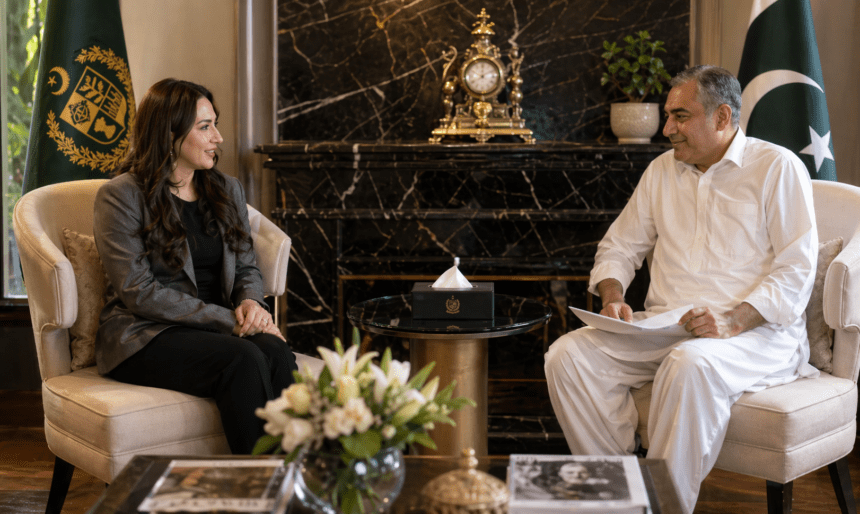
Pakistan’s diplomatic push to keep US-Iran dialogue alive gathered pace on Monday, as Interior Minister Mohsin Naqvi met US Chargé d’Affaires Natalie Baker in Islamabad to discuss efforts tied to a possible second round of talks between Washington and Tehran in the Pakistani capital. Officials said the conversation focused on the regional situation as well as security and logistical arrangements surrounding the expected negotiations.
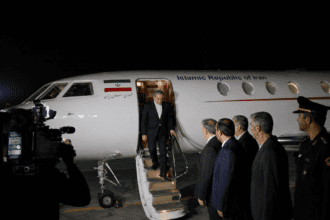
The meeting came at a delicate moment. Pakistan has been trying to preserve momentum after hosting an earlier round of contacts in Islamabad this month, while also positioning itself as a go-between at a time when mistrust between the United States and Iran remains very much alive. Separate reports said Naqvi also held talks with Iran’s ambassador, Reza Amiri Moghaddam, where both sides stressed diplomacy as the only realistic path to easing tensions.
According to reporting from Pakistani and international outlets, Naqvi briefed Baker on security preparations for the proposed second phase of talks and expressed hope that the Islamabad track would move forward successfully. That sounds procedural on the surface, but it matters. In these situations, security planning is often the clearest signal that a host country believes negotiations still have a chance, even when the politics around them look shaky.
What makes this more than a routine diplomatic courtesy call is the wider uncertainty around whether the next round will happen on schedule, or at all. Al Jazeera reported that Iran had indicated it was not planning to send negotiators to Islamabad in the immediate term, casting doubt over Pakistan’s hopes for multi-day talks. At the same time, the Associated Press reported that President Donald Trump said the United States would extend its ceasefire with Iran at Pakistan’s request while awaiting a unified proposal from Tehran. Put plainly, the door isn’t shut, but it’s not fully open either.
Pakistan, for its part, appears determined not to let that door slam. In recent days, officials have repeatedly framed Islamabad as a venue for de-escalation rather than grandstanding, and Naqvi’s parallel contacts with both the American and Iranian sides fit that approach. The emphasis has been steady: security is in place, channels remain open, and diplomacy is still worth the effort.
There’s also a domestic angle here. Hosting even a fragile diplomatic process gives Islamabad a chance to underline its relevance at a tense regional moment, especially after earlier reports said Pakistan had already played a facilitating role in ceasefire diplomacy and in bringing the two sides to the table. That doesn’t mean a breakthrough is around the corner. Far from it. But it does suggest Pakistan wants to be seen not just as an observer of Middle East crises, but as a state willing to shoulder some of the risk that comes with mediation.
For now, the immediate takeaway from Naqvi’s meeting with Baker is fairly clear: Pakistan is still preparing as though a second round can happen, even as public signals from the broader US-Iran track remain mixed. Whether that preparation turns into actual talks in Islamabad will depend less on venue management and more on whether Washington and Tehran decide they’re ready to test diplomacy one more time.