Deir al-Balah, Gaza Strip — April 2026
For the first time in nearly two decades, residents of Gaza are heading to the polls, offering a rare window into public sentiment toward Hamas, the Islamist group that has ruled the territory since 2007.
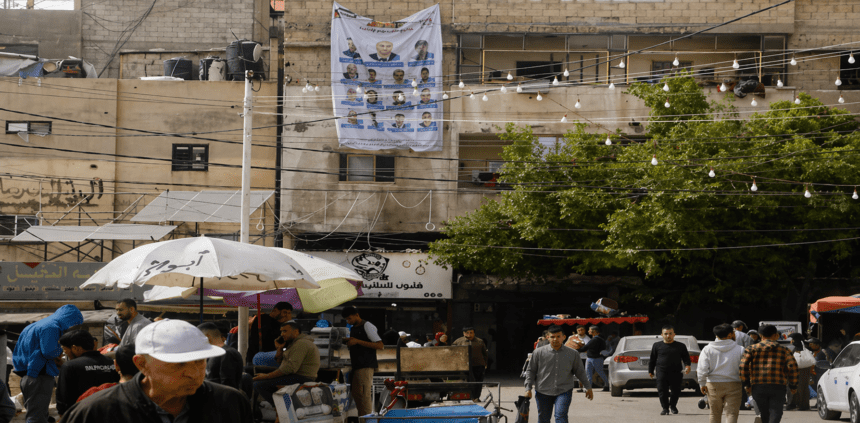
The local elections in Deir al-Balah, a central town in the Gaza Strip, are part of the Palestinian Authority’s broader municipal election plans. However, these elections mark the first real opportunity for Gazans to cast a ballot locally since 2006, a gap that has left analysts and political observers eager for insights into the territory’s current political mood.
Four candidate lists are competing in the municipal race, including some regarded as pro-Hamas, though the group has not officially fielded candidates or endorsed any list. Disputes with the Palestinian Authority, including requirements to recognize Israel formally, have kept Hamas from overtly participating. Other factions, including Fatah supporters, are boycotting the vote, complicating turnout predictions and the interpretation of results.
Political analysts say that while local elections do not necessarily predict national political shifts, they serve as a rare gauge of public support. A 2025 poll suggested Hamas enjoys around 41% backing in Gaza, ahead of Fatah at 29%, though electoral dynamics and turnout could shift those numbers.
“This is more than a municipal election,” said Sami Abu Salem, a local political analyst. “It’s a snapshot of how the people of Gaza feel about Hamas’s governance after years of conflict, economic hardship, and political isolation.”
The vote also carries symbolic weight. The Palestinian Authority aims to demonstrate that Gaza remains part of the wider Palestinian political system despite the deep political rift that has divided the territory for nearly two decades. International observers are watching closely, particularly in light of ongoing reconstruction and humanitarian discussions following years of conflict.
As residents prepare to cast their ballots, many hope the vote will not only reflect political leanings but also provide a sense of agency in a region often defined by turmoil and division. While the elections are local in scope, the implications for Gaza’s political landscape are anything but small.