WASHINGTON/ISLAMABAD: President Donald Trump said the ceasefire with Iran could remain in place until Tehran submits proposals and negotiations are wrapped up, though the latest reporting suggests the truce is still shaky and could unravel quickly if talks stall. AP reported Tuesday that the current two-week ceasefire was due to expire Wednesday, with U.S. and Iranian officials signaling possible new talks in Islamabad even as both sides warned they were ready to resume fighting without a deal.
The line from Trump adds a bit of breathing room, at least on paper. CBS reported that he indicated the ceasefire would continue until discussions are concluded, but the same round of coverage also showed growing uncertainty over whether Iran would actually send a delegation for the next phase of talks in Pakistan. By Tuesday evening in Pakistan, officials were still waiting for formal confirmation from Tehran.
That uncertainty has become the real story now. While Trump has publicly said senior U.S. officials, including Vice President JD Vance and envoy Steve Witkoff, are heading to Pakistan for another possible round of negotiations, Iranian officials have pushed back against the idea of negotiating under pressure. Recent reporting says Tehran has not officially confirmed participation, and Iranian public messaging has stressed that talks cannot proceed under threats or coercion.
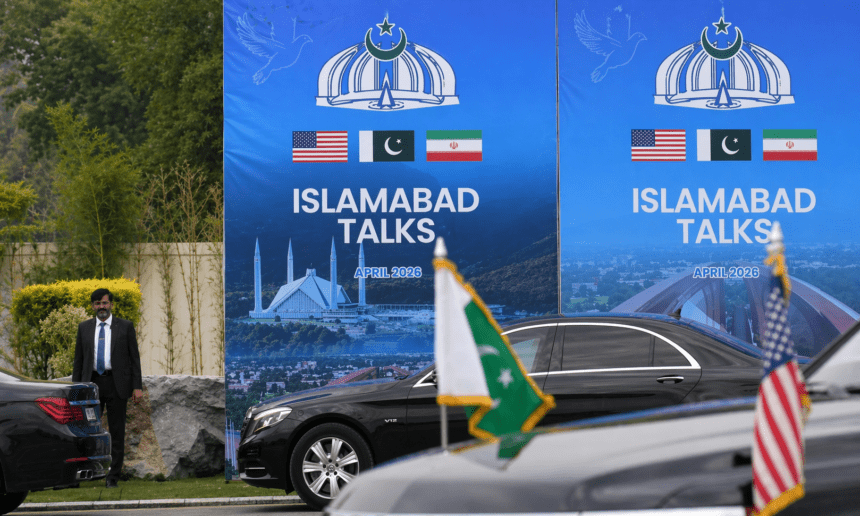
Pakistan, meanwhile, has emerged as the central mediator in this phase of the crisis. Multiple recent reports say Islamabad has been trying to keep the ceasefire alive and host a second round of U.S.-Iran talks, following earlier efforts that helped open a diplomatic channel after the fighting. That mediation role has given Pakistan unusual visibility in a conflict that has rattled the wider region and raised fears over shipping and energy security.
Still, nobody seems to be pretending this is settled. AP described the talks as uncertain on the eve of the ceasefire deadline, while other live updates showed that the next meeting could be delayed or even collapse if Iran refuses to attend. That leaves Trump’s statement looking less like a firm peace breakthrough and more like a conditional extension: the guns stay quiet a little longer, but only if diplomacy starts moving.
The main pressure point remains whether Tehran will put forward terms both sides can work with. Earlier reporting said Trump had treated an Iranian 10-point plan as a possible basis for negotiations, but key sticking points remain unresolved, including broader security demands and the terms of any longer-term settlement. So for now, the ceasefire is alive, yes, but it’s living hour to hour.
That is why Trump’s latest remark matters. It signals he is willing to keep the pause in place a bit longer, yet it also makes clear that Washington wants something concrete from Tehran, not just more delay. Whether Iran responds with proposals, or with another refusal, will probably decide whether this fragile ceasefire becomes a negotiation track or slips back into open conflict.