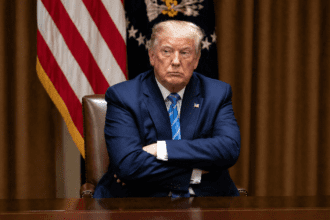
President Donald Trump said Tuesday he would prefer to see someone buy Spirit Airlines rather than watch the ultra-low-cost carrier slide toward collapse, adding a fresh political twist to the airline’s already fragile recovery effort. In a CNBC interview, Trump said he would like to see a buyer emerge and signaled he might also be open to some form of federal assistance, though he stopped well short of laying out a specific rescue plan.
The remarks land at a tense moment for Spirit. The airline has been in talks with the Trump administration about possible government support as it struggles with bankruptcy pressure, heavy cost burdens and the threat of liquidation. The Wall Street Journal reported that Spirit has discussed potential aid with the administration, while CBS News reported days earlier that the carrier had sought an emergency bailout to stay in business.
What makes this especially messy is that Spirit was already trying to climb out of Chapter 11 before fuel costs surged again. In March, Spirit said it had filed a restructuring support agreement and a plan of reorganization in bankruptcy court, saying at the time that it expected to emerge by early summer 2026. The company also said the plan was designed to cut debt and stabilize the business after months of financial strain.
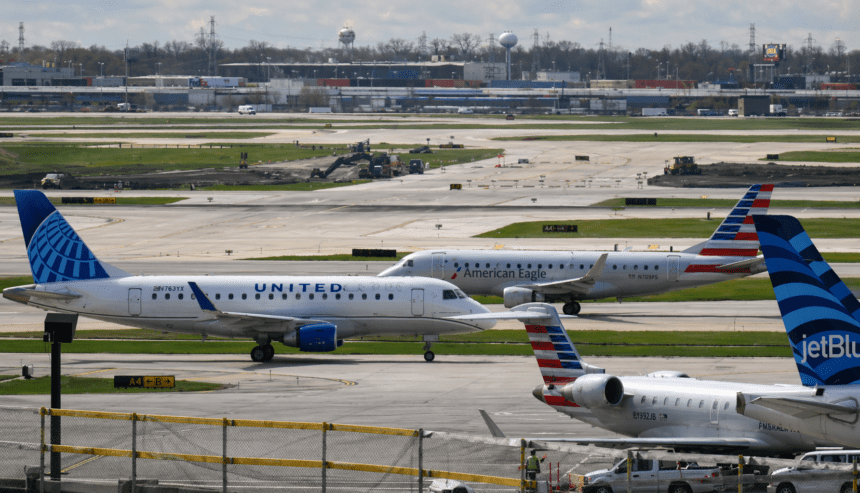
That recovery path now looks shakier. Recent reporting says a jump in jet-fuel prices has added new stress to Spirit’s restructuring effort and raised the possibility that the airline’s bankruptcy case could end in liquidation rather than a cleaner exit. That matters beyond Wall Street because Spirit has long been one of the biggest names in bare-bones budget flying, and its disappearance would likely hit price-sensitive travelers hardest on domestic routes where cheap fares are already getting harder to find.
Trump’s comments also suggest the White House is looking at the airline industry through two lenses at once: skepticism toward major consolidation, but some willingness to keep a struggling player alive if its failure could hurt competition or jobs. In the same interview, Trump said he did not like the idea of a merger between United and American, even while saying he generally does not object to airline mergers. That leaves Spirit in an odd middle ground — too weak to stand comfortably on its own, but still potentially useful as a competitive counterweight in the market.
For now, there is no announced buyer, no confirmed bailout package and no clear signal that Spirit’s survival is assured. What there is, at least, is a public acknowledgment from Trump that the airline’s fate is now significant enough to draw direct attention from the administration. That alone tells you how serious the situation has become.