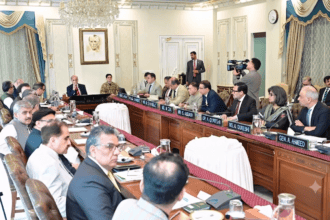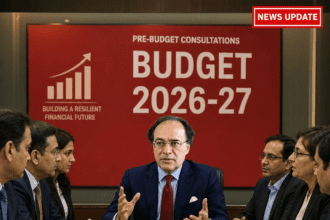
Pakistan has agreed to shut around 70 bank accounts held by government ministries and attached departments and move roughly Rs300 billion into the Treasury Single Account, a step officials say is tied to ongoing commitments under the country’s IMF-backed reform programme. The move, reported on April 25, is meant to consolidate public cash, reduce unnecessary government borrowing and tighten control over funds sitting outside the federal treasury.
The timing matters. Pakistan is still operating under a 37-month Extended Fund Facility approved in September 2024, and the IMF said in March 2026 that it had reached a staff-level agreement with Islamabad on the programme’s third review, pending Executive Board approval. In earlier programme documents, the Fund had already flagged “significant idle balances” outside the Treasury Single Account, warning that they weaken budget transparency and lead to inefficient use of government money.
According to the latest local reporting, the first phase will target non-interest-bearing accounts run by ministries and attached departments. Officials cited in that coverage said these accounts hold average balances of about Rs300 billion, and that the broader plan could eventually sweep roughly Rs400 billion into the federal consolidated fund once more accounts are closed. Another 242 accounts had already been shifted earlier with around Rs200 billion in balances, according to the same report.
This may sound technical, but the underlying issue is pretty simple. When government entities keep large sums parked in scattered commercial bank accounts, the state can end up borrowing money while its own cash sits idle elsewhere. The IMF has long argued that a Treasury Single Account helps governments see their full cash position in one place and lowers financing costs. Pakistan’s case appears to fit that logic almost exactly.
There is, though, a political and administrative wrinkle. Finance ministry officials have reportedly argued that some autonomous bodies and regulators should not be forced to surrender funds held in interest-bearing accounts, especially if they do not rely on federal budget support. That means the current push is likely to be phased rather than universal, with ministries and attached departments going first and more independent entities facing a tougher fight later.
The broader IMF agenda goes beyond cash pooling. Pakistan has also reportedly committed to lengthening the maturity of domestic debt to four years and two months by June 2027, up from roughly two and a half years at the start of the current bailout programme, in an effort to reduce refinancing risk. That puts the Treasury Single Account push in a wider fiscal story: the government is being asked not just to find cash, but to manage it better, borrow more carefully and make the system harder to game.
The backdrop is a larger concern over public money sitting outside the treasury system. Recent Pakistani media reports said officials acknowledged that nearly Rs1 trillion had been parked in commercial bank accounts through state entities, adding urgency to the IMF’s demand that public funds be consolidated. While that figure has come through local reporting rather than a fresh IMF statement, it helps explain why the issue has resurfaced so sharply now.
For Islamabad, the immediate test is execution. Pakistan has signed onto Treasury Single Account reforms before, and IMF technical work has been referring to TSA improvements for years. The difference this time may be the pressure of programme reviews and the government’s need to show that fiscal discipline is not just a line in a staff report. Closing 70 accounts is not the whole story. It’s more like the opening move.