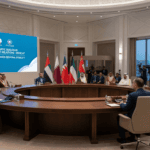
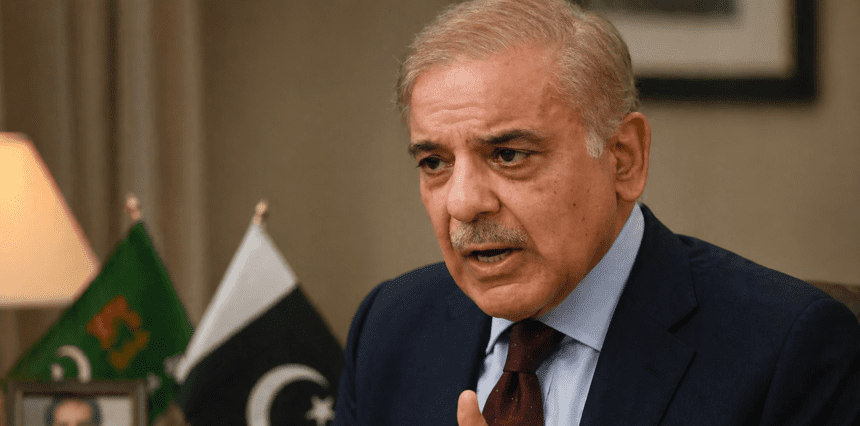
Iranian Foreign Minister Abbas Araghchi met Prime Minister Shehbaz Sharif in Islamabad Tuesday, shifting the focus to regional security as Middle East tensions reach a breaking point. The diplomatic push follows a detailed session between Araghchi and Pakistan’s Chief of Army Staff, General Asim Munir, where the two discussed border management and the fallout of the escalating conflict in Gaza and Lebanon. Araghchi’s visit isn’t a routine diplomatic call. It comes as Tehran seeks a unified regional front against Israeli military actions. In his meeting at the PM House, Shehbaz Sharif reiterated Pakistan’s support for the Palestinian cause, calling for an immediate ceasefire and condemning what he described as “Israeli adventurism” in the region. The Prime Minister emphasized that the current Middle East crisis threatens more than just the immediate neighbors — it’s a risk to global stability. Earlier in the day, the Iranian envoy held talks at GHQ. While the official statements focused on “bilateral interests,” the subtext was clear: both nations are desperate to avoid a repeat of the January missile exchanges that briefly soured ties. They’ve moved toward a security framework that prioritizes intelligence sharing along the volatile Sistan-Baluchestan border, a region plagued by insurgent activity. Araghchi’s timing is deliberate. He’s rallying support ahead of the upcoming Organization of Islamic Cooperation (OIC) summit in Riyadh. Tehran wants a strong, collective message from the Muslim world, and Pakistan’s diplomatic weight is central to that strategy. The two sides also touched on the stalled gas pipeline project and trade targets. Despite the threat of international sanctions, Islamabad and Tehran have pledged to boost bilateral trade to $5 billion, though neither side has offered a concrete timeline on how to bypass the banking hurdles that have stalled progress for years. The visit concludes with a clear signal: despite past friction, Islamabad and Tehran are prioritizing a “neighborhood first” policy as the broader region braces for further volatility. Araghchi left the meetings with a public commitment from Pakistan to stand by Iran’s sovereignty — a significant, if expected, diplomatic win for the visiting minister.
Iran’s Foreign Minister in Islamabad for High-Stakes Talks with Shehbaz Sharif, Military Leadership


Leave a Comment