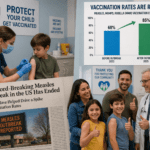
The human papillomavirus (HPV) vaccine can reduce the risk of several cancers by up to 50% or more, health experts say, as they call for increased vaccination among men and boys, not just women.
HPV is one of the most common sexually transmitted infections globally and is linked to a range of cancers, including cervical cancer in women as well as throat, anal, and penile cancers in men. While vaccination campaigns have historically focused on girls, experts stress that broader immunization is critical to reducing overall transmission and cancer risk.
“The vaccine works by preventing infection from the high-risk HPV strains responsible for the majority of cancers,” said public health specialists. “By vaccinating boys as well, we reduce circulation of the virus and protect everyone.”
Studies have shown that countries with high HPV vaccination coverage have seen sharp declines in HPV infections, genital warts, and precancerous conditions, with long-term data now pointing to significant reductions in cancer rates.
Health authorities recommend administering the vaccine before exposure to the virus, typically during early adolescence. However, experts note that older teens and young adults who missed earlier vaccination can still benefit.
Despite its proven effectiveness, uptake among boys remains uneven in many regions due to lack of awareness, cultural perceptions, and access issues. Experts emphasize that HPV-related cancers in men—particularly oropharyngeal (throat) cancers—have been rising in recent years.
“HPV doesn’t discriminate by gender,” experts said. “Vaccinating boys is not just about protecting them individually, but also about strengthening community immunity.”
Public health officials are now urging governments to expand gender-neutral vaccination programs and increase awareness campaigns to ensure broader protection against HPV-related diseases.
Experts conclude that wider adoption of the HPV vaccine could play a major role in preventing thousands of cancer cases annually, making it one of the most effective tools in modern cancer prevention.