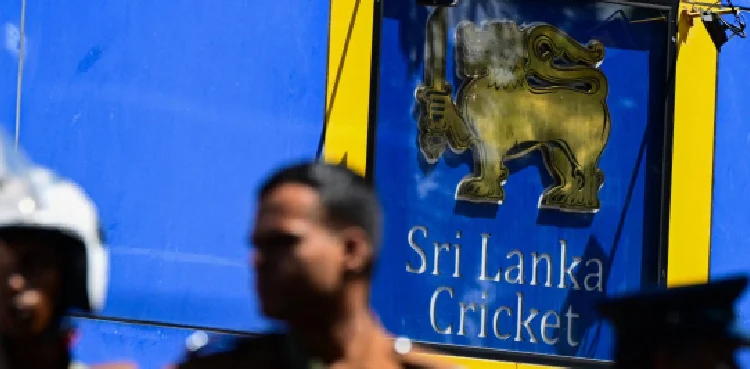
Sri Lanka’s sports minister, Roshan Ranasinghe, fired the entire board of Sri Lanka Cricket (SLC) on Monday, replacing it with an interim committee led by former World Cup-winning captain Arjuna Ranatunga. The move follows months of friction between the government and the cricket administration over allegations of corruption and mismanagement.
The decision arrives just days after the national team’s humiliating 302-run defeat to India in the World Cup — a loss that sparked nationwide protests and calls for the board’s resignation. Ranasinghe cited the need to “clean up” the sport, claiming that the previous administration had lost the trust of both the players and the public.
“The board has failed to protect the interests of the game,” Ranasinghe told reporters in Colombo. “We cannot allow the reputation of our national sport to be dragged through the mud any longer.”
The ousted board members have rejected the government’s intervention, calling it an illegal power grab. SLC officials argue that the sports minister lacks the legal authority to dissolve an elected body, setting the stage for a protracted legal battle that could draw the attention of the International Cricket Council (ICC).
For the ICC, government interference is a red line. The governing body has a history of suspending member nations that allow political influence to dictate cricket operations. If the ICC determines that the government has overstepped, Sri Lanka risks being banned from international competition. Such a move would strip the country of its hosting rights for upcoming tournaments and freeze vital funding streams.
Despite the political chaos, the team remains in India for the remainder of the World Cup. Whether the administrative overhaul provides the stability needed for a turnaround on the field remains unclear.
“Changing the faces in the boardroom doesn’t change the talent on the pitch,” a senior cricket analyst in Colombo said. “The government thinks this is a victory, but they’ve just invited a storm from the ICC.”
The interim committee faces an immediate challenge: prove to the ICC that this takeover is a necessary step for transparency, rather than a political vendetta. If they fail, the sport in Sri Lanka may find itself sidelined from the global stage indefinitely.