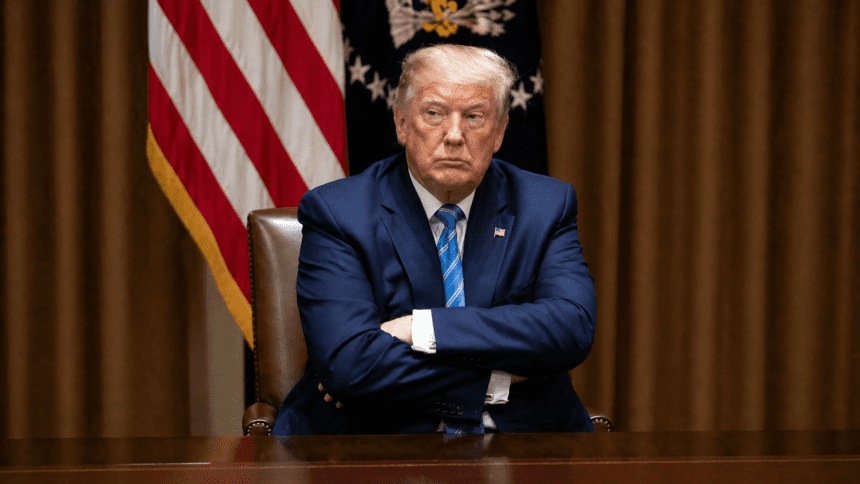
President Donald Trump said on April 29 that the United States is reviewing whether to reduce its military presence in Germany, adding that a decision could come soon. The remark landed at a tense moment in U.S.-German relations, with the dispute tied not only to defense spending but also to sharp political disagreements over the U.S.-Israel war against Iran.
The immediate trigger was a public clash with German Chancellor Friedrich Merz. According to recent reporting, Merz criticized Washington’s handling of the Iran conflict and said the U.S. had been “humiliated” by Tehran during the crisis. Trump pushed back and signaled that America’s troop footprint in Germany was now under review.
That matters because Germany remains the backbone of the U.S. military network in Europe. Key installations there include Ramstein Air Base as well as the headquarters for U.S. European Command and U.S. Africa Command, making the country far more than just another host nation for American troops. Any reduction would carry operational as well as political consequences.
The idea itself is not new. Trump tried during his first term to cut U.S. troop levels in Germany as part of a broader push to pressure NATO allies over burden-sharing. What is different this time is the surrounding climate: the current debate is unfolding alongside a wider transatlantic argument over Iran, energy disruption, and how much military and political risk European allies are willing to shoulder.
There is also a bigger NATO story behind this. Recent coverage and analysis suggest the administration has been weighing broader changes to the U.S. force posture in Europe, not just in Germany, as it reassesses overseas commitments and reacts to criticism from allied governments. That makes Trump’s latest comment look less like an off-the-cuff threat and more like part of a larger strategic review. This is an inference based on the pattern described in recent reporting.
For now, no formal drawdown has been announced. But the signal from Washington is unmistakable: troop deployments in Europe, once treated as long-settled pillars of the alliance, are again being used as leverage in disputes with allies. If the review leads to actual cuts, the fallout would likely be felt well beyond Berlin, reaching NATO planning, European deterrence, and America’s own ability to project power across the region.