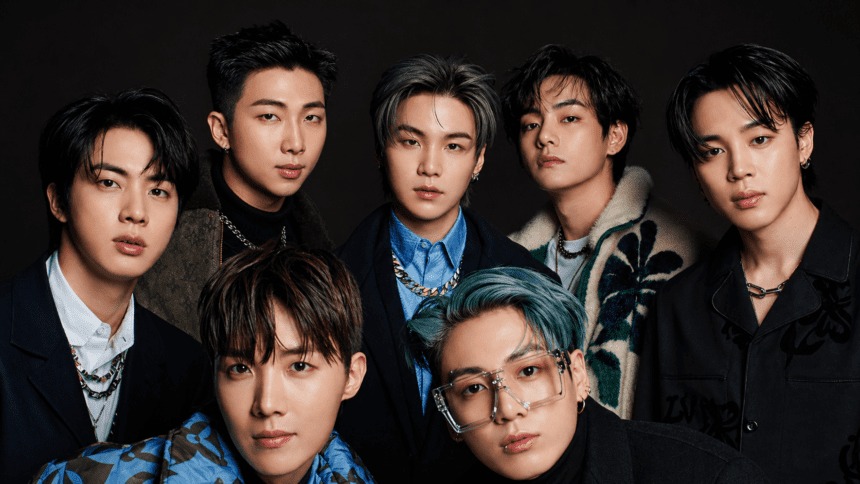
SEOUL — Foreign fans who traveled to South Korea for BTS’s recent concerts spent significantly more than the average overseas visitor, according to new payment data that is being read as another sign of the group’s unusually strong pull on the country’s tourism economy. Hana Card estimated that international concertgoers spent 55.5 billion won between January 1 and April 12, with average spending per person reaching about 1.85 million won. The analysis was based on payment records linked to roughly 30,000 foreign users who bought tickets for BTS’s Goyang shows through the travel platform Nol Universe.
That matters because the spending was not limited to tickets. The estimate included airfare, hotel stays and local purchases, giving a fuller picture of what a major pop event can mean for the wider economy. In practical terms, these visitors were not just filling seats at a stadium; they were also spending across transport, retail and food businesses around their trip.
Local spillover appears to have been especially visible near the venue. Business Korea reported that foreign card transactions surged around Goyang Stadium during the concert period, with cafes and convenience stores among the businesses seeing the biggest jumps. It is the kind of detail tourism officials and city planners tend to notice, because it shows how fan travel can spread revenue well beyond promoters and ticketing companies.
The BTS effect was also showing up in the national numbers. South Korea welcomed a record 2.06 million foreign visitors in March 2026, according to government data cited by Reuters, with the group’s comeback tour named as one of the factors helping lift tourism spending after years of subdued post-pandemic recovery.
The timing is important. BTS returned to large-scale touring after a nearly four-year hiatus tied to mandatory military service, reopening one of South Korea’s most powerful cultural export engines at full volume. Their new world tour began in South Korea and followed the release of Arirang, their first album since completing national service.
Taken together, the numbers offer something more concrete than the usual talk about fandom and soft power. They suggest that BTS’s return is translating into measurable economic activity — not just headlines, not just sold-out shows, but real spending by international visitors at a level above what the average tourist typically brings.