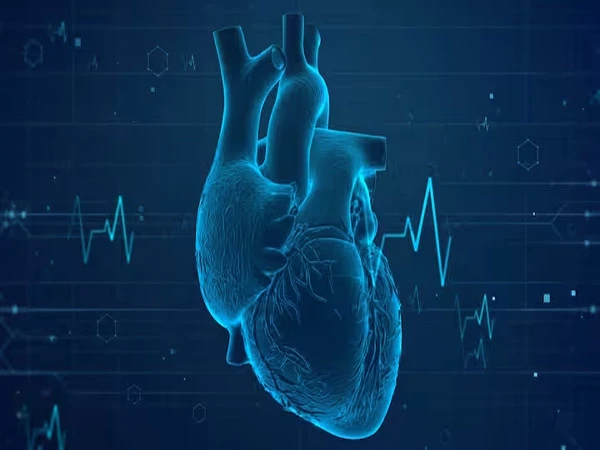
Chinese scientists have successfully developed the world’s first laboratory grown “sinoatrial node.”
The sinoatrial node is a very small part of the heart that functions as the heart’s natural pacemaker. It is responsible for keeping the heart beating continuously and regularly.
Located in the right atrium of the heart, the node generates electrical signals. These signals remain under the control of the nervous system and direct the upper and lower chambers of the heart to contract and relax in sequence, allowing blood to circulate efficiently throughout the body.
If this natural pacemaker becomes damaged, the heartbeat can slow down significantly or even stop completely, which may become life threatening.
Researchers used human pluripotent stem cells to create a three dimensional laboratory model that functions like a sinoatrial node and is capable of beating automatically.
This breakthrough could revolutionize research into heart diseases and the testing of new medicines. In the future, it may also help treat irregular heart rhythms as a “biological pacemaker.”
In short, this achievement is being considered a major step forward in the field of heart science and treatment.