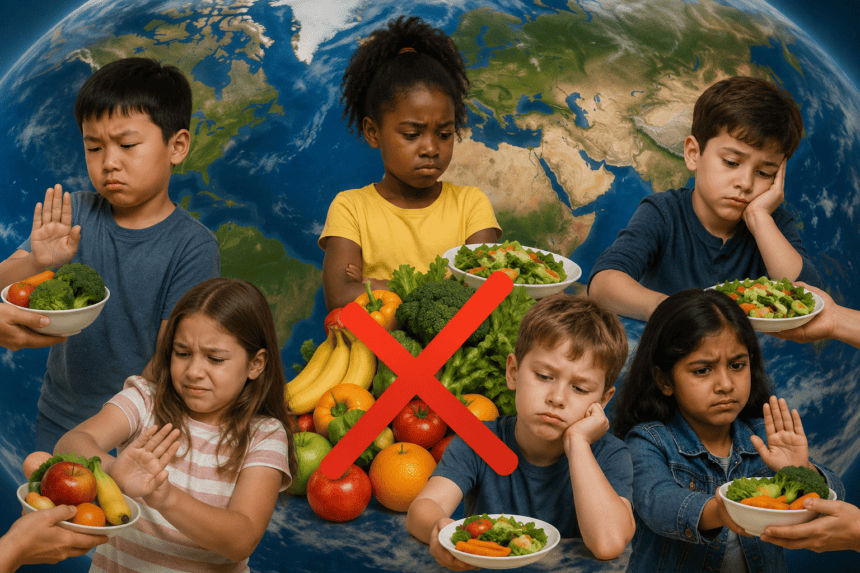
A new international study has found that children across the world are consuming fewer fruits and vegetables than recommended, raising concerns about the long-term impact on their health and development.
The research, which analyzed dietary patterns among children and adolescents from multiple countries, found that a significant proportion of young people fail to meet daily nutritional guidelines for fruit and vegetable intake. Experts warn that poor eating habits during childhood can increase the risk of obesity, heart disease, diabetes, and other chronic health conditions later in life.
Researchers attributed the trend to a combination of factors, including the growing availability of processed foods, changing lifestyles, urbanization, and limited access to nutritious food in some regions. The study also highlighted the influence of marketing and dietary preferences on children’s food choices.
Health professionals are urging parents, schools, and policymakers to promote healthier eating habits by improving access to fresh produce and encouraging balanced diets from an early age. They emphasize that fruits and vegetables provide essential vitamins, minerals, and nutrients that support physical growth, brain development, and overall well-being.
The findings have renewed calls for global efforts to address childhood nutrition challenges and ensure that young people receive the healthy foods needed for a strong foundation in life. Experts stress that improving dietary habits during childhood can have lasting benefits for both individual and public health.