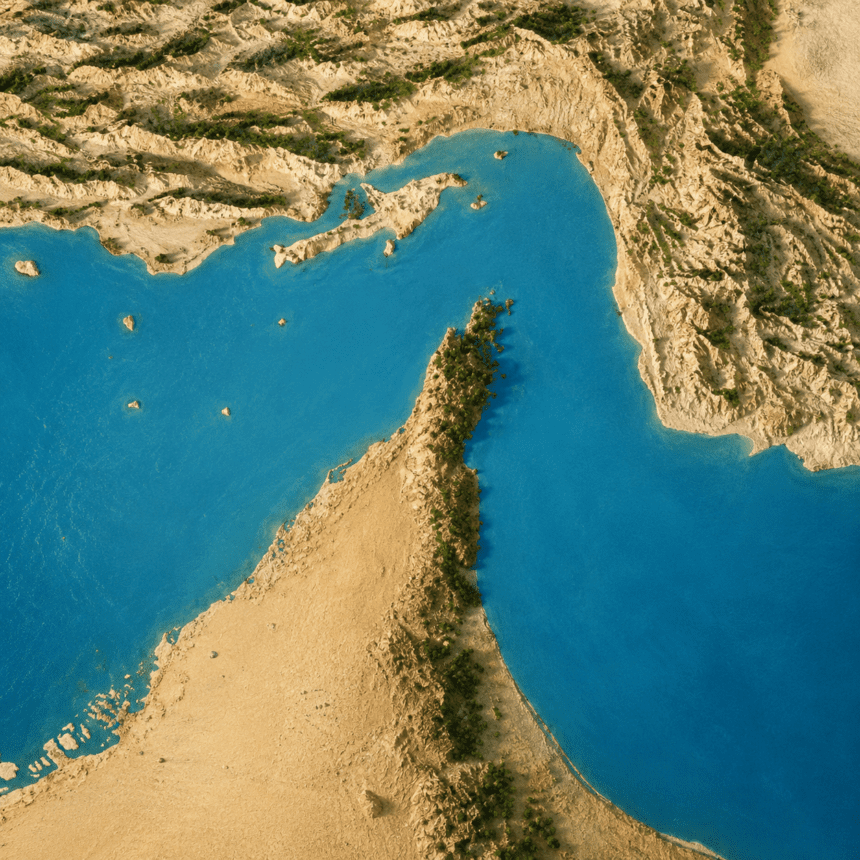
Washington/Tehran, May 25, 2026 — The United States and Iran are discussing a plan that could reopen the Strait of Hormuz about 30 days after a wider peace agreement, according to a report by Nikkei cited by Reuters, raising cautious hopes for relief in one of the world’s most sensitive energy corridors.
Under the reported proposal, Iran would begin clearing naval mines from the strait during the 30-day period after signing a deal to end hostilities. The plan would also require Tehran to allow safe passage for ships from all countries and stop collecting transit fees from vessels moving through the waterway.
The talks appear to build on a separate draft arrangement reported over the weekend, under which Washington and Tehran were said to be close to a 60-day ceasefire extension. During that period, the Strait of Hormuz would reopen without tolls, Iran would be allowed to resume oil sales, and both sides would hold further negotiations on Tehran’s nuclear program.
Still, nothing is final. Officials cited in the reports cautioned that the agreement could still fall apart before it is signed, and the details remain politically sensitive in both capitals. A senior Trump administration official previously said Iran had agreed “in principle” to reopen the strait in exchange for the U.S. lifting its naval blockade of Iranian ports, but also indicated that Washington was not rushing into a deal.
The Strait of Hormuz matters far beyond the Gulf. It is a narrow but vital passage for oil and gas shipments, and any prolonged disruption there can jolt global energy markets within hours. That is already being felt: oil prices fell after President Donald Trump said talks with Iran were moving in a constructive direction, while global shares gained on hopes that a deal could reduce pressure on energy supplies.
For Tehran, reopening the strait could bring badly needed economic breathing room if it comes with sanctions waivers and freer oil exports. For Washington, the issue is trickier. The U.S. wants the waterway open, but it is also trying to secure commitments on Iran’s nuclear program and prevent Tehran from using control of Hormuz as leverage again.
The reported framework is simple on paper: Iran clears mines and restores shipping access; the U.S. eases parts of its blockade and discusses sanctions relief. In practice, though, the trust gap is huge. Even a signed agreement would need verification at sea, security guarantees for commercial vessels, and enough political backing to survive opposition from hardliners.
For now, markets are treating the talks as a positive sign, not a breakthrough. Until ships are moving freely through Hormuz again, the risk premium on oil is unlikely to disappear completely.