Hezbollah has officially dismissed the latest ceasefire proposal brokered between Israel and Lebanon, signaling a deepening deadlock as regional tensions reach a breaking point. The militant group’s leadership confirmed late Tuesday that the terms—which sought to implement a phased withdrawal of forces and a strengthened UN presence—were “unacceptable” in their current form.
The rejection effectively halts the momentum generated by U.S.-led diplomatic efforts over the past week. Negotiators had hoped to capitalize on the recent exhaustion of both sides, but Hezbollah’s insistence on a total cessation of Israeli airstrikes before any discussion of troop deployment remains a non-starter for Tel Aviv.
Israel’s security cabinet, meeting in an emergency session following the announcement, signaled that it would now shift back to a “state of high-intensity operations.” The government’s stance is clear: any deal that doesn’t push Hezbollah forces back beyond the Litani River is a security risk they aren’t willing to take.
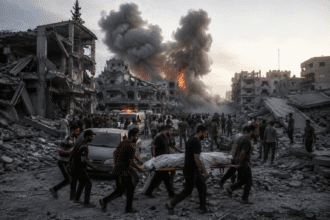
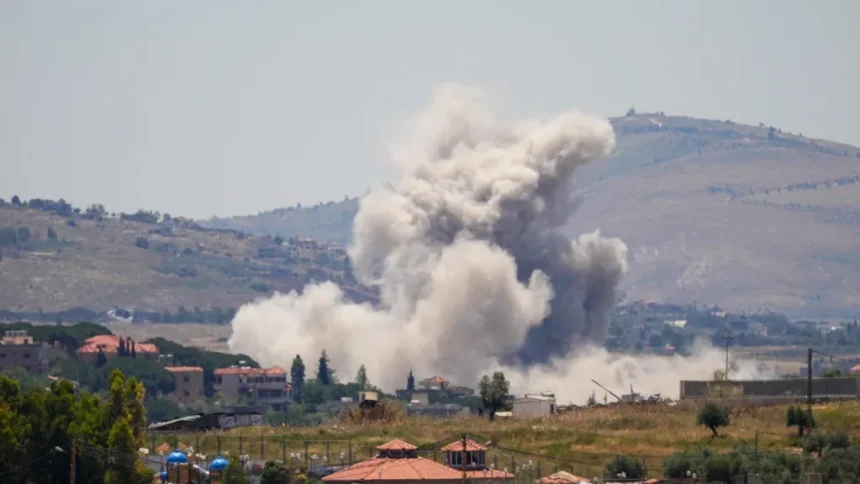
The human toll continues to mount. Overnight strikes in the Beqaa Valley and southern suburbs of Beirut caused significant infrastructure damage, displacing thousands more civilians. Local hospitals are struggling to manage the influx of casualties, with supply chains for essential medical equipment becoming increasingly fragile due to the ongoing blockade.
Diplomatic sources in Beirut suggest that the primary point of contention is the role of the Lebanese Armed Forces (LAF). Hezbollah views the proposed expansion of LAF authority as a thinly veiled attempt to disarm their fighters under the guise of international oversight. They aren’t buying the narrative that this is merely about border stability.
For residents in northern Israel and southern Lebanon, the collapse of these talks brings a grim reality: the status quo of near-daily rocket fire and retaliatory shelling is likely to persist indefinitely. There is no off-ramp in sight, and with both sides digging in, the border region remains a powder keg waiting for a spark.
As the window for a negotiated settlement closes, the question is no longer whether the fighting will escalate, but how far it will go before either side is forced to reconsider. For now, the rockets are the only language being spoken.