U.S. Eases Iranian Oil Sanctions as Nuclear Negotiations Remain Stalled
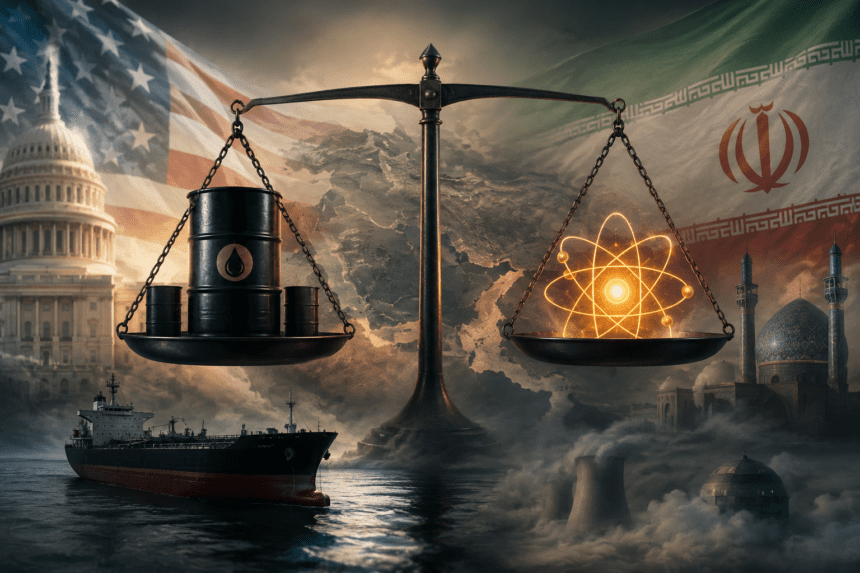
The Biden administration quietly adjusted its enforcement of Iranian oil sanctions this week, a move that allowed Tehran to export more crude to global markets. While the White House frames the shift as a technical adjustment, the reality on the ground suggests a tactical attempt to stabilize volatile energy prices without formally reopening the 2015 nuclear deal.
For months, Iranian oil exports have been largely curtailed by the “maximum pressure” campaign inherited from the previous administration. That changed as tankers began moving more freely out of Kharg Island. Analysts tracking maritime traffic report a measurable uptick in shipments headed toward Asian ports, signaling that Washington is looking the other way to keep supply flowing.
The timing is far from coincidental. With gasoline prices remaining a sensitive variable in domestic politics and geopolitical tensions spiking across the Middle East, the White House needs a buffer. By allowing a degree of “gray market” trade, the U.S. gains a temporary reprieve from supply shocks.
Yet, this relaxation hasn’t moved the needle on the actual nuclear file. Negotiations in Vienna have been effectively frozen for months, with both sides entrenched in familiar positions. Iran continues to enrich uranium at near-weapons-grade levels, while the U.S. demands a return to the original 2015 limits — a trade-off Tehran now views as insufficient given the current economic climate.
The policy creates an awkward diplomatic limbo. The U.S. is essentially subsidizing the Iranian economy’s lifeline to keep global oil markets calm, yet it refuses to grant the formal sanctions relief Iran demands as a prerequisite for nuclear transparency. It’s a policy of convenience, not a strategy for resolution.
The risk is clear. By easing enforcement, Washington loses its primary leverage. If Iran continues to expand its nuclear program while simultaneously banking the proceeds from increased oil sales, the White House will find its window for a peaceful diplomatic resolution closing even further.
For now, the tankers keep sailing. The nuclear inspectors remain frustrated. And both sides seem content to manage the status quo, even if it leaves the region’s long-term security in the hands of a fragile, unspoken arrangement.